





Ants are one of the most common campsite annoyances. Once ants discover food, they quickly return with a trail of others. Crumbs, fruit scraps and cooking smells can attract ants quickly — especially in warmer parts of Australia where ants remain active year-round.
A few simple campsite habits can make a big difference. With thoughtful food storage, quick cleaning and a few practical tricks, it’s usually possible to keep ants away from your campsite and food supplies.
10 ways to keep ants away when camping
Ants usually arrive at campsites in search of food. These simple techniques help reduce the chance of ants discovering your food and cooking areas.
1. Store food in sealed containers
Ants locate food primarily through smell. Keeping food sealed is one of the most effective ways to prevent ants discovering it.
Durable food storage containers help contain food smells while preventing ants from accessing snacks, fruit and leftovers.
2. Wrap food securely
Loose wrapping allows food smells to escape and attract ants.
Reusable options such as beeswax food wraps or reusable sandwich wraps help seal food such as fruit, sandwiches and snacks while reducing single-use plastic.
3. Keep food off the ground
Ants typically approach food from the ground. Storing food on a camping table, cooler or raised container makes it harder for ants to reach.
4. Create a simple water barrier around table legs
If ants are climbing table legs to reach food, a small water barrier can stop them.
Place the legs of a table or food stand into shallow containers of water such as cups or small bowls. Ants cannot cross the water, which prevents them reaching food stored on the table.
5. Clean cooking areas immediately
Crumbs and food residue attract ants quickly. Wiping cooking surfaces and tables after preparing food helps remove scent trails that ants follow.
6. Use peppermint oil as a natural deterrent
Ants dislike strong scents such as peppermint.
Placing a few drops of peppermint essential oil on a cloth near food storage areas or picnic tables may help discourage ants from exploring.
7. Wipe tables with vinegar or citrus
Ants follow scent trails left by other ants to locate food sources. Wiping picnic tables or cooking surfaces with a mild vinegar solution in a spray bottle or rubbing the surface with citrus peel can help disrupt these scent trails and discourage ants from returning.
This can be particularly useful on shared picnic tables at busy campsites where previous campers may have left food residue behind.
8. Wash dishes soon after eating
Food residue left on plates, pans and utensils can attract ants quickly. Cleaning dishes soon after meals helps remove food smells before ants find them.
9. Keep rubbish sealed and manage food scraps carefully
Food scraps are one of the biggest attractants for ants. Store rubbish in sealed bags or containers and keep it away from cooking areas. Scraping plates and packing food scraps into sealed containers helps reduce smells that attract ants.
Reusable sealed containers or small bins can also be useful for temporarily storing scraps until they can be disposed of properly.
10. Use chalk or talcum powder barriers
Ants struggle to cross powder barriers. Draw a circle of chalk or sprinkle talcum powder around table legs or food storage areas to discourage ants.
Powder barriers disrupt the scent trails ants use to navigate and are commonly used around picnic tables in caravan parks and campsites.
Helpful items for preventing ants while camping:


Why ants keep returning to campsites
Ants are constantly searching for food. When an ant finds food, it leaves a chemical scent trail so other ants can follow the same path. This is why a small crumb or spill can quickly attract large numbers of ants.
Cleaning cooking surfaces, sealing food and removing scraps helps break these scent trails and reduces the chance of ants returning.
Simple campsite checklist to prevent ants
A small setup for food storage, cleaning and rubbish management can make it much easier to prevent ants from reaching food.
Food storage
Cleaning
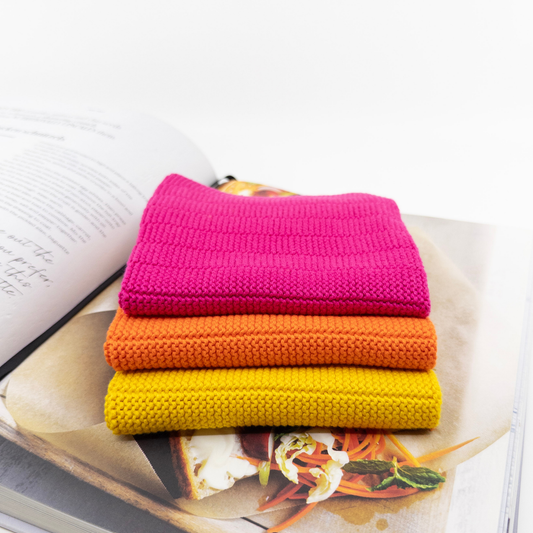
- cloth or sponge for wiping tables
- spray bottle for vinegar or citrus cleaning solution
- biodegradable dish soap for washing dishes
Waste management
- sealed rubbish bags
- small container or compost bin for food scraps
A simple system like this keeps cooking areas cleaner and helps prevent ants from discovering food around the campsite.
Frequently asked questions about ants when camping
Why do ants keep returning to campsites?
Ants follow scent trails left by other ants that have already located food. Cleaning surfaces and removing food scraps helps break these trails.
What foods attract ants the most?
Sugary foods such as fruit, honey, jam, chocolate and soft drinks tend to attract ants most strongly.
How do you stop ants getting into food when camping?
The best way to stop ants reaching food when camping is to store food in sealed containers, clean cooking surfaces quickly and remove food scraps from the campsite. Keeping food smells contained and cooking areas clean helps prevent ants discovering food in the first place.
What smells do ants dislike?
Ants dislike strong scents such as peppermint, citrus and vinegar. These smells can interfere with the scent trails ants use to locate food and may help discourage ants from exploring areas where food is stored or prepared.
Can ants get into sealed food containers?
Ants can enter containers that are not properly sealed, but airtight containers prevent ants from accessing food and also contain food smells that attract them. Using sealed containers for snacks, fruit and leftovers is one of the most effective ways to prevent ants reaching food at campsites.
Related reads
How do you dry socks and underwear when camping?
What To Pack For A Camping Trip Australia
A Comprehensive Guide To Water Filtration Products
Choosing a water bottle for travelling
How to Start a Fire Without Matches or a Lighter
Minimal Impact Camping Facts & Tips