





Updated August 2026.
Quick answer: The right safety razor depends on where you're shaving and how you like the razor to feel and move in your hand. For your face, look for a razor that's easy to manoeuvre and control. For legs and body, a longer or textured handle gives you more reach and grip, while a pivoting head follows curves such as knees and ankles more easily.
Switching to a reusable safety razor can help reduce disposable plastic and give you a razor designed to last for years. But if you're buying one for the first time, different weights, handles and head designs can make it difficult to know which to choose. Here's what actually matters, so you can choose the right one the first time.
The easiest place to start is where you shave most often.
Shaving your face? Start here ↓ | Shaving your legs or body? Start here ↓
Shaving your face?
Facial skin is thinner and the terrain around the jaw, neck and upper lip is more uneven than areas such as the shin, so manoeuvrability and control are useful when choosing a razor.
What to look for:
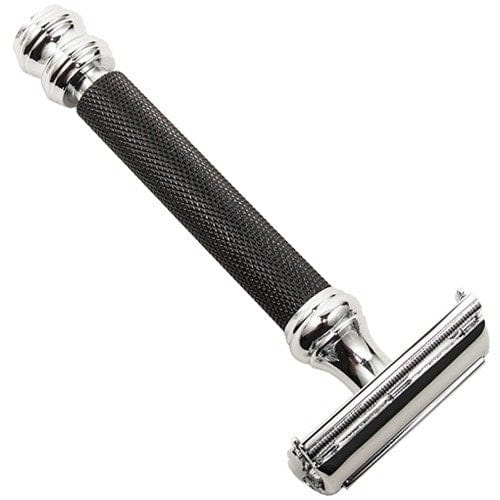
✓ A shorter handle for control around the jaw, chin and neck.
✓ Easy manoeuvrability around smaller, uneven areas of the face.
✓ A balanced, comfortable weight that helps the razor glide.
✓ A textured grip for steady handling with wet hands.
✓ A butterfly opening for simple blade changes.
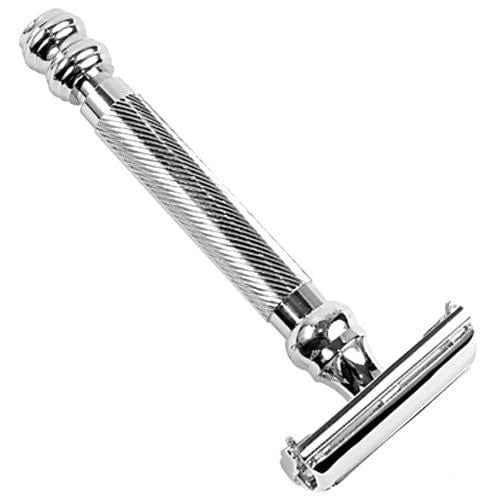
Our pick for face shaving: the Parker 99R Safety Razor. Slightly shorter handle, secure grip and balanced weight help you manoeuvre comfortably around the jaw and neck, while the butterfly opening makes changing blades simple. It also suits body shaving.
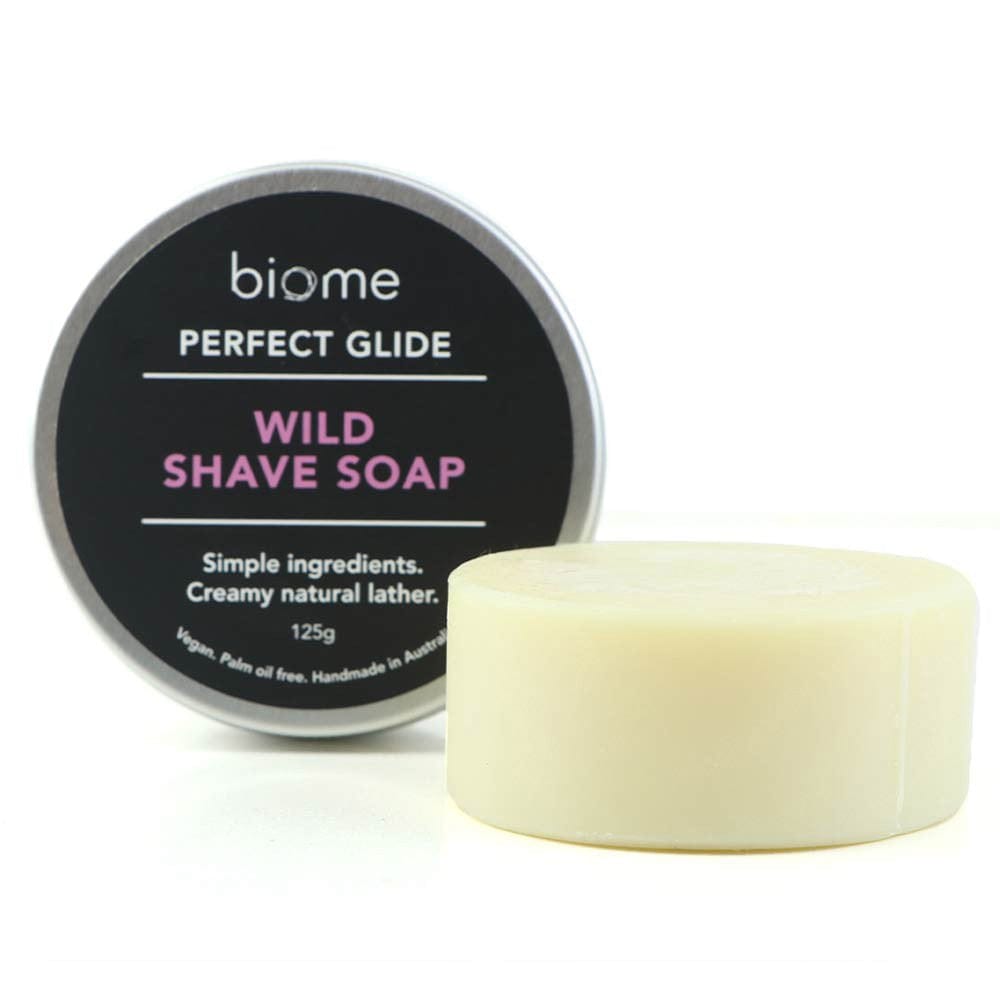
You'll also need good lubrication from a shave soap, oil or cream. Not sure which to use? Compare shave soap, shave oil and shave cream →
Shaving legs, underarms or body?
Body hair is generally coarser and the skin more forgiving than the face, so you have a little more room to choose based on reach, grip and how you want the razor to move. For larger areas such as the legs, handle length and control can make a noticeable difference, while a pivoting head can help around curves such as knees and ankles.
What to look for:
✓ A longer handle for easier reach over legs and larger areas.
✓ A textured grip for wet, soapy hands.
✓ A lightweight feel for easy manoeuvrability.
✓ A pivoting head if you prefer a razor that moves with your body.
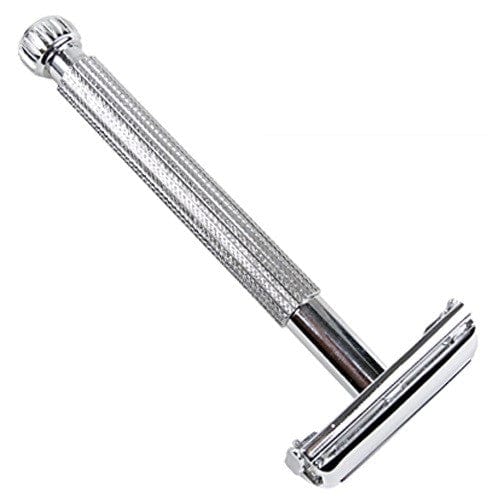
Our pick for body shaving: the Parker 29L Safety Razor. Its lightweight design and long, textured handle make it particularly practical for legs and larger areas.
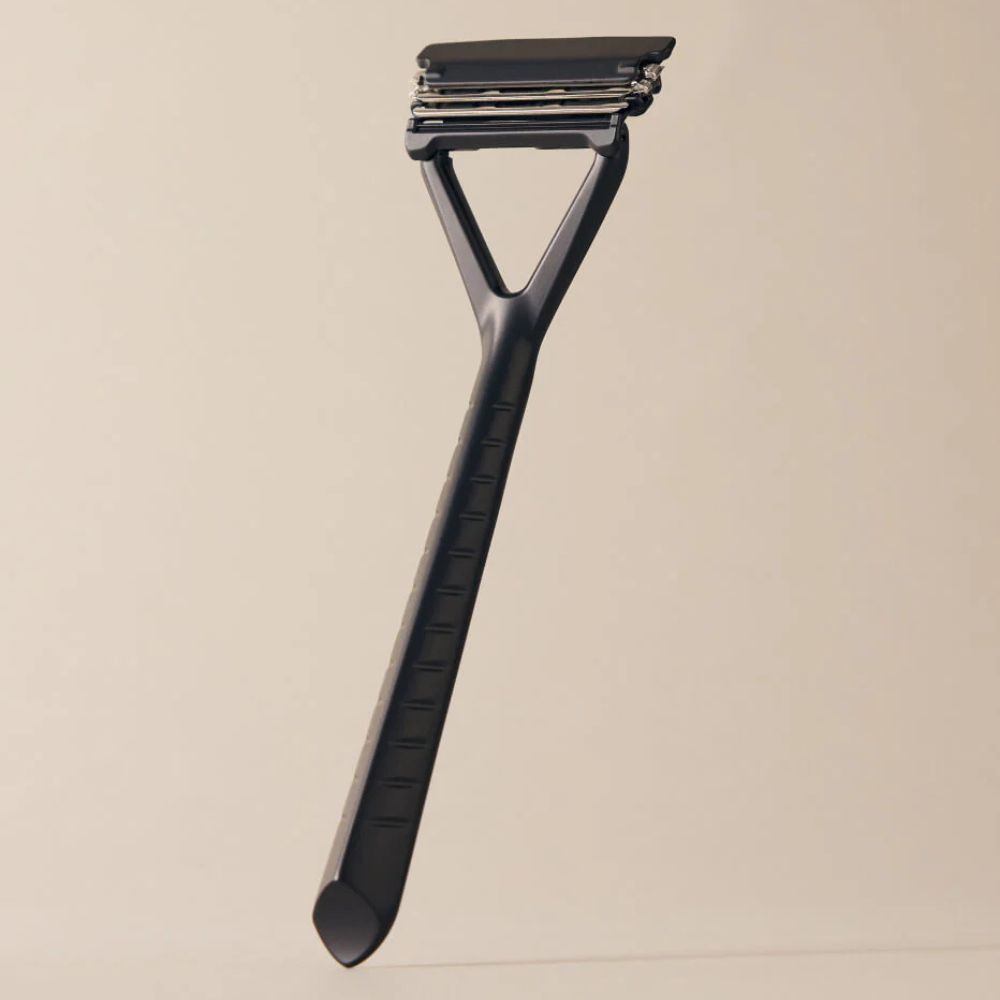
Prefer a pivoting head? The Leaf Pivoting Razor moves with your body, making it easier to shave around knees, ankles and other curves.
Compare our safety razors
Not sure which one to choose? Here's the quickest way to compare the four razors by weight, handle and how the head moves.
| Razor | Weight & feel | Handle | Shaving style | Best for | Why choose it? |
|---|---|---|---|---|---|
|
Parker 29L Lightweight & beginner-friendly |
Lightweight and easy to manoeuvre | Long, thin and highly textured | Fixed head Butterfly blade loading |
Beginners, legs and body | Easier reach and a secure grip with wet, soapy hands. |
|
Parker 76R Versatile all-rounder |
Solid, well-weighted and balanced | Mid length, textured, black-and-chrome finish | Fixed head Butterfly blade loading |
Face and body Everyday shaving |
Confident grip and comfortable control across different shaving areas. |
|
Parker 99R Close, controlled shave |
Substantial weight Close, assertive shave |
Shorter, Textured chrome for a secure grip | Fixed head Butterfly blade loading |
Face or body; particularly suited to facial hair. | A closer traditional shave with excellent grip and less need to press down. |
|
Leaf Two Flexible & familiar |
Lightweight and balanced |
Longest overall Comfortable, easy-grip handle. |
Pivoting head One or two blades |
Face, body and switching from disposable razors | Moves with your curves and feels familiar, with replaceable blades instead of disposable heads. |
A few things worth knowing before you choose
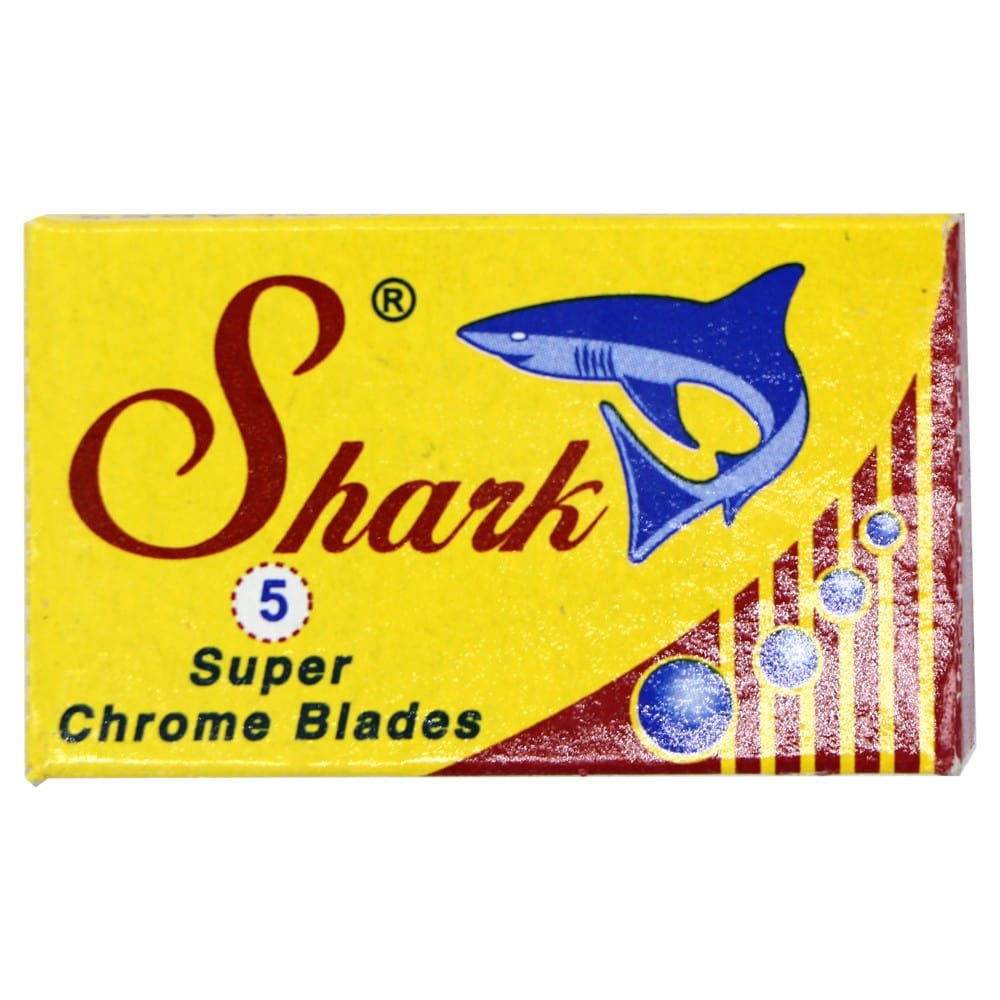
Blade changing: The Parker 99R, 29L and 76R all use a butterfly twist-to-open head — twist the handle, the head opens and you carefully drop the blade in. There are no separate head pieces to keep track of. The Leaf works differently: its pivoting head can hold one or two blades.
Fixed vs pivoting: Parker razors have a fixed head, so you control the shaving angle yourself. The Leaf Pivoting Razor follows the body's contours instead, which can feel more familiar if you're used to a disposable razor and is particularly useful around knees and ankles.
Weight and pressure: Lighter razors can feel easier to manoeuvre and control, while a heavier razor lets more of its own weight do the work and can help achieve a close shave with less pressure. Whichever you choose, very little pressure is needed — one of the biggest adjustments when moving from a multi-blade disposable.
Handle and grip: A longer handle gives you more reach, particularly over larger areas such as the legs, while a textured handle gives you extra grip with wet or soapy hands.
Care: Store your razor outside the shower and allow it to dry between uses. Store blunt blades securely in a sealed tin or metal container and contact your local council for appropriate recycling options.
Ready to learn the technique? Our How to Use a Safety Razor guide covers blade loading, skin preparation, pressure, shaving angle and shaving with the grain.
Which Biome safety razor might suit you?
Still deciding? These four razors suit slightly different preferences. Here's the simplest reason you might choose each one.
Build your shave kit
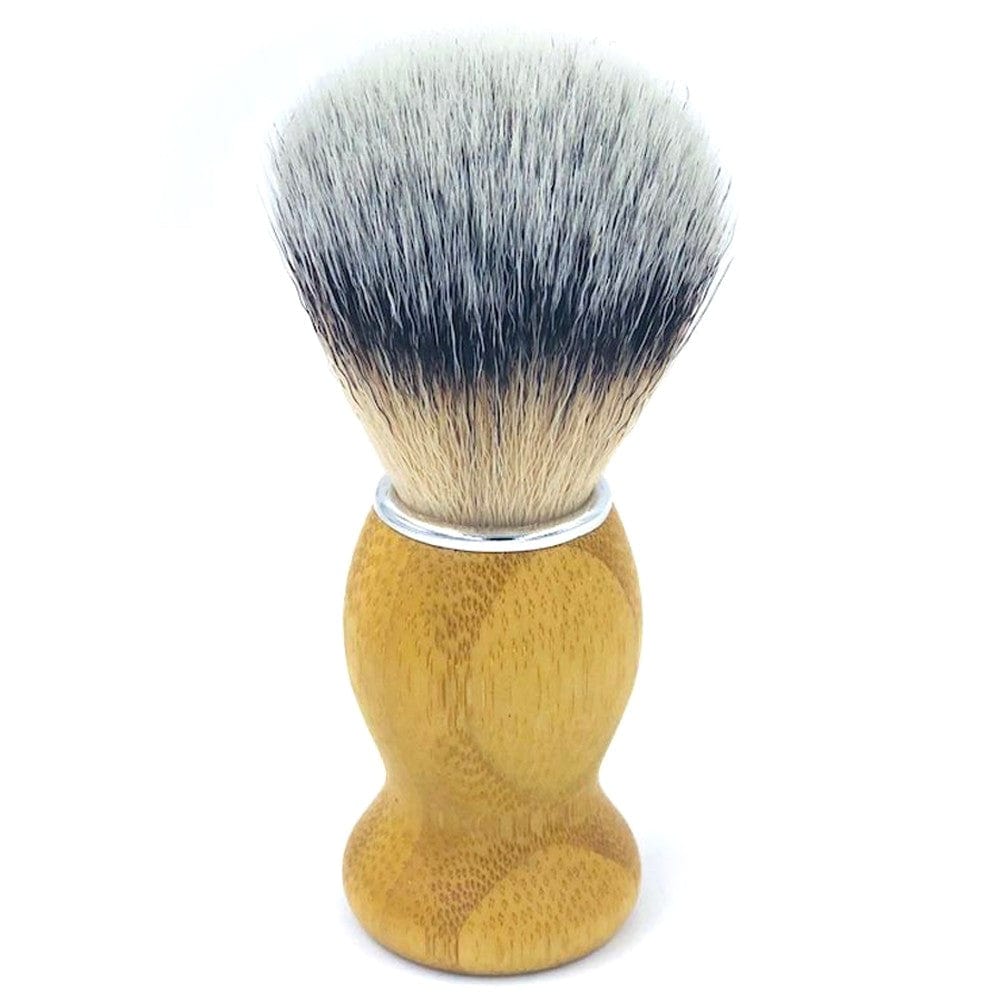
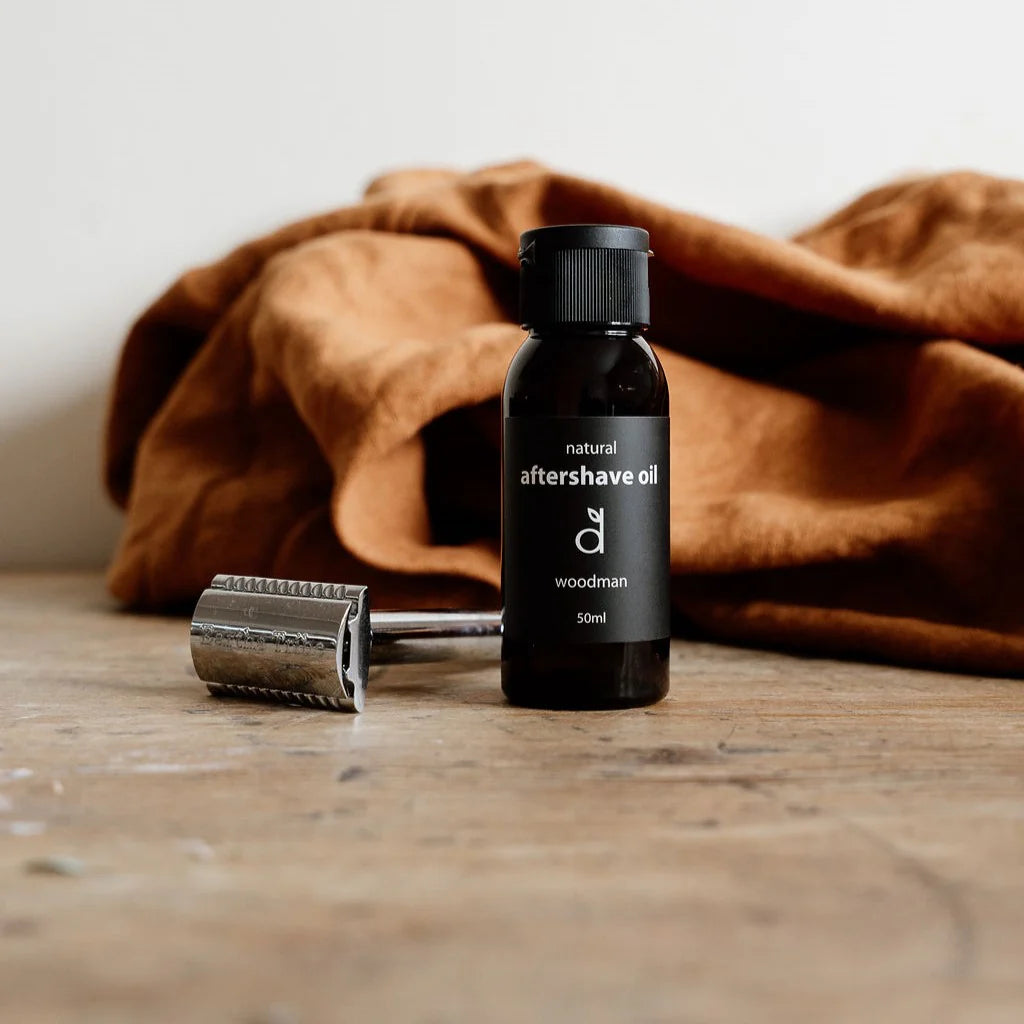
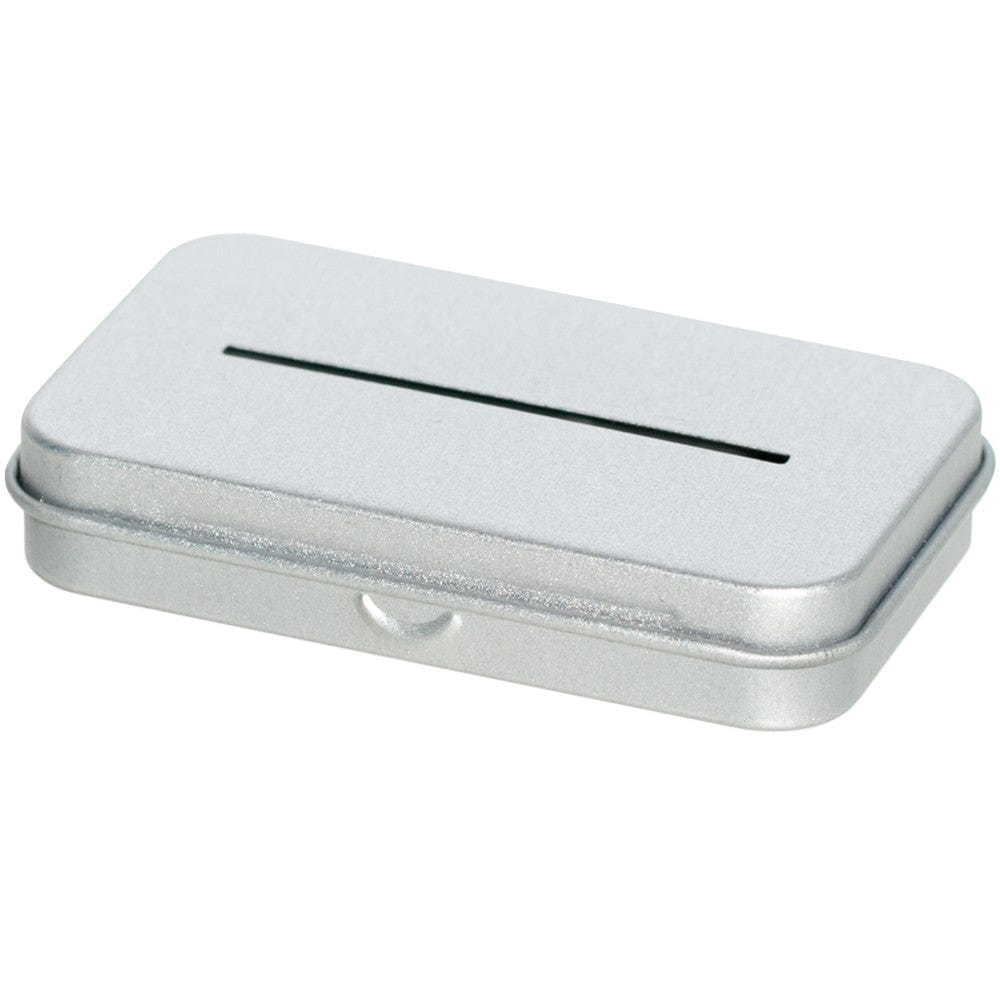
Once you've chosen your razor, you'll need good lubrication and fresh replacement blades. A shaving brush and aftershave are optional extras, while a used-blade tin gives you a safe place to store blunt blades.
Ready to choose your safety razor?
Explore Biome's reusable safety razors for face and body shaving, along with replacement blades and shaving essentials.
Shop all safety razors →Frequently asked questions
What is the best safety razor for beginners?
A lighter, easy-to-control safety razor can be a comfortable place to start. The Parker 29L is lightweight and manoeuvrable, with a long textured handle and simple butterfly twist-to-open blade changing.
Can you use the same safety razor for your face and legs?
Yes. A safety razor can be used for both face and body shaving. Where you shave most often can help you choose: manoeuvrability is useful around the face, while a longer handle and good grip can make shaving larger areas such as the legs easier.
Is a heavier or lighter safety razor better?
Neither is automatically better. A lighter razor can feel easier to manoeuvre and control, while a heavier razor allows more of its own weight to do the work. The best choice depends on which feel you find most comfortable.
What is the difference between a fixed and pivoting safety razor?
A fixed-head safety razor requires you to maintain the shaving angle yourself. A pivoting razor such as the Leaf moves with the contours of the body, which can feel more familiar if you're used to a cartridge razor and can make navigating curved areas such as knees and ankles easier.
Related Reads
How to Use a Safety Razor
Learn how to load your blade, prepare your skin, find the right shaving angle and use light pressure for a comfortable shave.
Safety Razor Review: Why We Love Them & Top Tips
Read Caroline, Michele and Nancy's first-hand experiences of switching to reusable safety razors.
Shave Soap vs Shave Oil vs Shave Cream
Compare the lather, glide, convenience and skin feel of different shaving products to find the option that suits your routine.
Itchy Skin After Shaving? Causes & How to Prevent It
Understand what can contribute to post-shave itching, razor burn and irritation, and how a gentler shaving routine can help.