





Use this room-by-room checklist to reduce microplastic exposure and plastic waste.

Looking for simple ways to reduce plastic at home? You've landed at the best place! Biome has 23 years' experience sourcing and creating plastic free solutions that make life easier.
In our epic guide you'll find hundreds of plastic free swaps (many of which are available in our store) — from kitchen and bathroom essentials to laundry and travel.
You might not realise it, but there are plastic free alternatives — or at least minimal plastic options — for almost everything you use every day.
Note about plastic parts: It’s rare to find a 100% glass or stainless steel option for leak-proof or air-tight products like skincare, drink bottles and food containers. Seals and lids usually require plastic or silicone. We take a practical approach: what matters most is that the material your food, water or skin comes into contact with is plastic free.
What are plastic free swaps?
Plastic free swaps are simple replacements for everyday items that reduce or eliminate plastic use in your home. Common examples include:
- Glass or stainless steel instead of plastic containers
- Shampoo and conditioner bars instead of bottles
- Reusable bags, cups and containers instead of disposable items
- Natural fibre cloths instead of synthetic sponges
Switching to these safer materials helps reduce waste, minimise exposure to microplastics and plastic chemicals, and supports a healthier, low-tox lifestyle.
Quick start: the highest-impact plastic free swaps
-
1Stop heating food in plastic (microwave, dishwasher, takeaway containers)
-
2Replace plastic food storage with glass or stainless steel
-
3Switch from plastic-bottled body care to bars or glass jars (soap, shampoo, conditioner)
-
4Replace synthetic fragrance products with natural or fragrance-free
-
5Carry stainless steel or glass reusable drink bottles, coffee cups, cutlery.
-
6Reduce synthetic fabrics in clothing and home
Plastic Free Kitchen Swaps (low tox, zero waste)

Plastic free food storage
- Glass containers (all sizes for leftovers, meal prep)
- Stainless steel containers and lunchboxes
- Glass jars for pantry staples (grains, nuts, spices) - re-using old jars is fine!
- Beeswax wraps instead of cling film / plastic wrap
- Silicone lids (long-life, not disposable)
- Cloth bowl covers
- Paper bags or wax paper for short-term storage
- Reusable produce bags (cotton or mesh)
- Bread bags (beeswax or cotton)
Eco friendly food & shopping habits
- Take your own reusable bags to the shops
- Buy loose produce instead of packaged
- Shop at bulk stores or refill shops
- Choose glass, cardboard or metal packaging over plastic
- Avoid pre-cut fruit and veg (often heavily packaged)
- Bring your own containers for takeaway
Microplastic-free food prep
- Wooden cutting boards
- Avoid plastic chopping boards (microplastic shedding)
- Stainless steel knives and tools
- Stainless steel measuring spoons
- Stainless steel measuring cups
- Wooden spoons, spatulas, tongs
- Wooden reusable salt & pepper grinders
- Mortar and pestle instead of plastic tools
- Stainless steel ice cube tray
Cooking
- Avoid non-stick (PFAS coatings)
- Avoid plastic utensils in hot food
- Solidteknics iron pans
- Stainless steel cookware
- Ceramic cookware
- Glass baking dishes
Drinks
- Stainless steel water bottles
- Glass water bottles
- Refillable water filters (glass or stainless systems)
- Loose-leaf tea (no plastic tea bags)
- Tea strainers (metal)
- Coffee plunger, stovetop or machine (no pods)
- Avoid bottled water and soft drinks
Cleaning
- Wooden dish brushes
- Replaceable-head dish brushes
- Natural fibre cloths (cotton, cellulose, Swedish dish cloths)
- Loofah sponges
- Dish soap bars
- Powder dishwasher detergent (cardboard packaging)
- Avoid synthetic sponges (microplastic shedding)
Often overlooked
- Chewing gum (most are plastic-based)
- Cling wrap and ziplock bags
- Plastic-coated baking paper
- Black plastic takeaway containers
- Plastic tea bags
- Bin liners (switch to compostable or reduce waste overall)
Plastic Free Bathroom Swaps (toxin free, personal care)

Oral care
- Bamboo toothbrush*
- Replaceable-head toothbrush systems
- Toothpaste tablets or powders
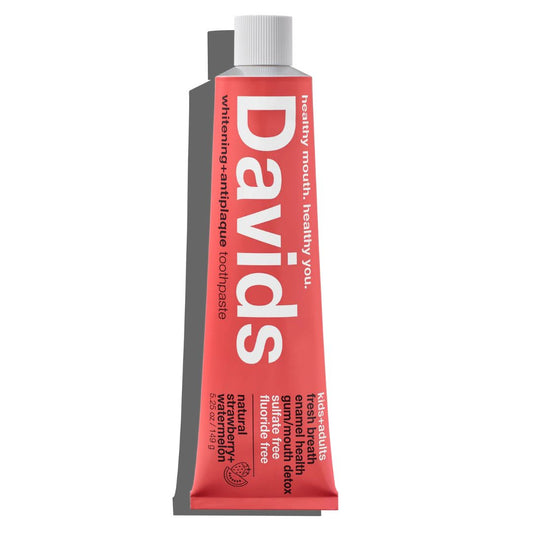
- Toothpaste in aluminium or glass
- Plastic-free floss (silk or plant-based)
- Avoid disposable floss picks
*Note that the only totally plastic free toothbrush bristles are those made from animal hair. Toothbrush bristles made from castor oil are 100% bio-based (and petroleum-free) but they are still a plastic polymer.
Zero waste hair care
- Shampoo bars
- Conditioner bars
- Solid hair treatments (masks, oils)
- Hair brushes with wooden handles and natural bristles
- Plastic Free Hair Ties/ Scrunchies
Avoid:
Plastic-heavy styling products
Face & body care
- Bar soap (face + body)
- Solid body moisturisers
- Skin care in glass jars
- Body oils in glass bottles
-
Natural deodorant (cardboard, metal, glass)
- Plastic free Japanese exfoliating shower towels
- Pumice stones instead of plastic tools
- Wooden bath brushes
Avoid:
Aerosol sprays
Shaving
Avoid:
Disposable razors
Shave foam
Plastic free skincare
- Minimal ingredient skincare
- Products in glass jars or metal tins
- Refillable makeup where possible
- Reusable cotton rounds
Avoid:
Sheet masks (plastic fibre)
Glitter (microplastics - even the "biodegradable" glitter is not 100% plastic-free)
Natural period care
- Menstrual cups
- Reusable cloth pads
- Period underwear
- Organic cotton tampons (plastic-free applicators)
Bathroom materials
- Natural fibre towels (cotton, bamboo, linen)
- Fabric shower curtains (avoid PVC)
- Natural rubber bath mat
Everyday items people forget
- Cotton buds (choose paper or bamboo stems)
- Dental picks and flossers
- Disposable wipes (face, baby, cleaning)
- Synthetic sponges
- Air fresheners (often plastic + synthetic fragrance)
Plastic Free Non Toxic Laundry Swaps

Plastic free laundry detergent
- Powder or liquid detergent in cardboard or refill formats
-
Soap nuts (natural alternative)
- Choose fragrance-free or essential oil-based products
Avoid:
Plastic-wrapped pods
Laundry sheets (despite the marketing claims, these are plastic)
Drying
- Stainless steel pegs
- Stainless steel sock hanger
- Wool dryer balls instead of dryer sheets
- Air dry outdoors when possible
- Drying racks made from wood or aluminium
Natural fabric care
- Use white vinegar as a natural softener
- Spot clean instead of frequent washing
- Wash full loads only
Avoid:
Synthetic fabric softeners & dryer sheets (they are plastic)
Microplastic reduction
- Choose natural fibre clothing
- Wash synthetic items less frequently
- Use microfibre-catching laundry bags or filters such as Guppyfriend
Often overlooked
- Dryer sheets (plastic + fragrance coating)
- Scent boosters (microplastic beads)
- Fabric softener liquids
- Synthetic lint brushes
Plastic Free Bedroom Swaps (natural fibre, low tox living)

Natural bedding
- Organic cotton sheets
-
Linen bedding
- Plastic free mattress protectors
- Wool blankets and doonas
- Natural latex or wool pillows
Lox tox materials
- Avoid polyester, acrylic, nylon bedding
- Avoid memory foam where possible
- Choose natural mattresses (latex, wool, cotton layers)
Habits
- Air bedding regularly
- Reduce synthetic dust accumulation
Plastic Free Wardrobe Swaps

Plastic free clothing choices
- Cotton, linen, hemp, wool
- Avoid polyester, nylon, acrylic, elastane-heavy blends
- Choose undyed or low-dye garments where possible
Buying habits
- Buy fewer, better-quality pieces
- Choose second-hand or vintage
- Repair instead of replacing
- Avoid fast fashion cycles
Care
- Wash less often
- Cold wash cycles
- Air dry instead of tumble drying
Plastic Free Baby & Child Products (non toxic)

Feeding
- Glass baby bottles
- Stainless steel baby bottles
- Plastic Free Lunch boxes
- Plastic Free Water Bottles
- Stainless Steel Divider Plate
- Glass or Stainless Steel Storage Containers
- Organic Cotton Bibs
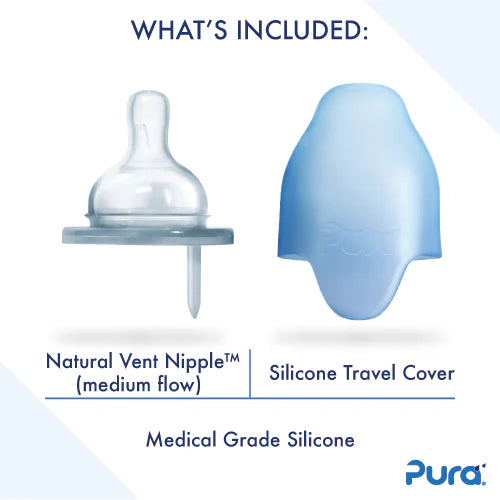
- Silicone (high-grade) alternatives where needed (note that silicone is still a polymer that uses some petrochemicals to produce)
Soothing
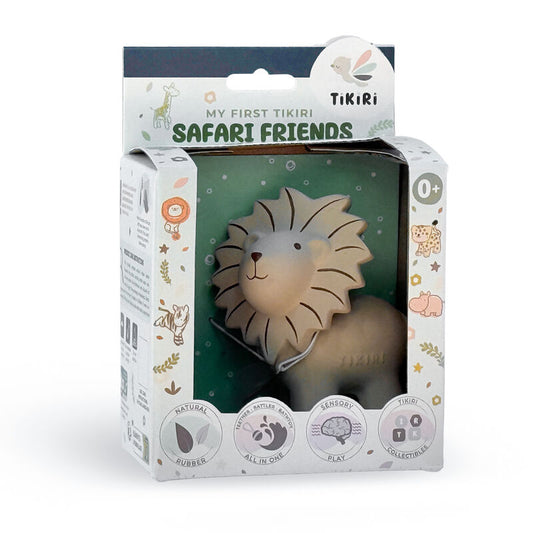
- Natural rubber teethers
- Silicone or natural rubber dummies or pacifiers (medical-grade)
- Organic cotton comforters
Changing
Clothing & bedding
- Organic cotton baby clothes
- Natural Fibre Sleep Suits
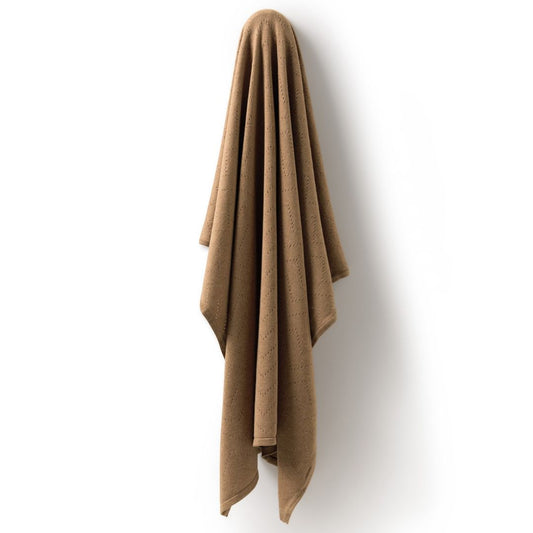
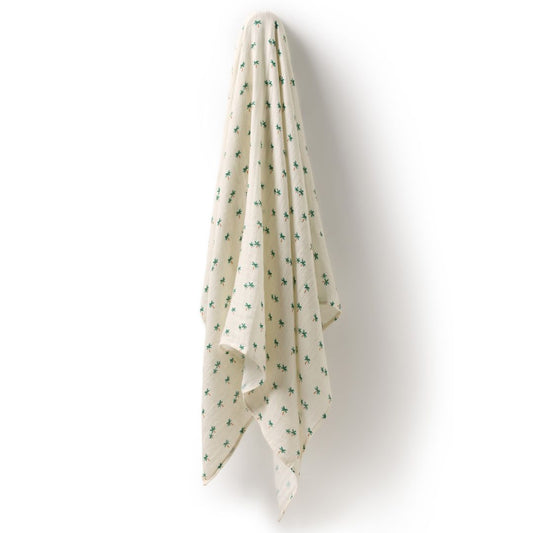
- Wool or cotton blankets
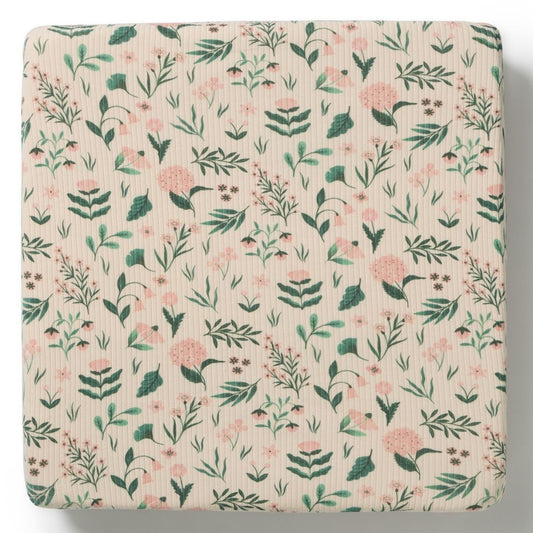
- Natural Fibre Cot/Bassinet Sheets
Plastic free toys
Play spaces
- Cotton or wool rugs
- Cork or natural play mats
Avoid:
PVC foam mats
Low tox bath time
- Mould-free bath toys
- Avoid squeeze toys that trap water
- PVC-free natural rubber bath mats
- Gentle plastic free baby care products
Plastic Free Living Space Checklist (reduce microplastics at home, non toxic)

Air & environment
- Open windows daily
- Use indoor plants
- Avoid synthetic air fresheners and diffusers
- Beeswax unscented candles (paraffin free)
Cleaning
- Natural cleaning sprays
- Concentrates or refill systems
- Cloths made from cotton instead of microfibre
Materials
- Wooden furniture
- Metal, glass, ceramic materials
- Natural fibre upholstery (cotton, linen, wool)
Avoid:
Vinyl (PVC) furniture
Dust & microplastics
- Vacuum regularly (HEPA filter if possible)
- Wet dust instead of dry dusting
- Remove shoes indoors
Plastic Free Out & About Checklist (reusable alternatives to single use plastic)

Everyday carry
- Reusable shopping bags
- Produce bags
- Stainless steel or glass water bottle*
- Reusable coffee cup (glass or stainless)
- Reusable food containers
- Bamboo or stainless steel cutlery
- Cloth napkin or handkerchief
*Most stainless steel and glass water bottles still have plastic lids and seals to get a water-tight seal. In this collection, find the bottles with least plastic coming into contact with your drink.
Eating out
- Decline plastic straws and cutlery
- Bring your own container for leftovers
- Choose dine-in instead of takeaway when possible
Travel
- Refillable toiletry bottles (non-plastic where possible)
- Solid toiletries (bars)
- Reusable travel containers
- Avoid hotel mini plastics
The Overlooked Checklist
From The Plastic Playbook by The Plastic Detox
These are the ones most people miss:
- Never heat food in plastic
- Avoid black plastic (often contains recycled e-waste)
- Avoid “fragrance” or “parfum” (synthetic chemical mix)
- Reduce synthetic fabrics (major source of microplastics)
- Avoid PVC (vinyl products, flooring, shower curtains)
- Skip chewing gum made from plastic
- Avoid thermal paper receipts (BPA/BPS)
- Reduce indoor dust (microplastics accumulate here)
- Avoid disposable wipes (baby, cleaning, beauty)
- Avoid glitter unless certified biodegradable
- Avoid synthetic sponges and cloths
- Be cautious with “compostable plastics” (often industrial-only)
Summary: simplify
If you simplify everything you'll be on the right track:
- Plastic → glass, stainless steel, wood, natural fibres, beeswax or vegan wax
- Disposable → reusable
- Synthetic → natural
- Convenience → considered choices