





Originally published January 2024, updated September 2026.
By Biome founder, Tracey Bailey.
I first wrote about how to best remove mould after the 2011 Brisbane floods. The City Council inspector who visited my cousin's inundated house gave some surprising advice that inspired me to share this further. He advised us to keep away from chlorine bleaches to clean mould as they only ‘bleach’ the colour out and do not kill the mould.
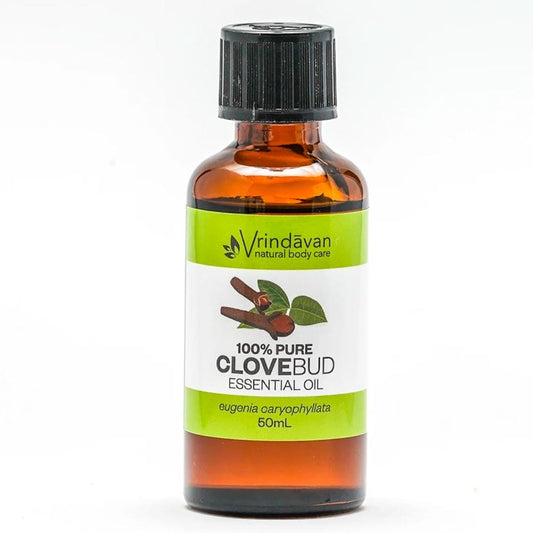
“It'll be back in a few weeks,” he said. “CLOVE OIL is the best!”
At Biome, we have revisited this advice year after year when our communities have suffered the effects of torrential rains, like in Gympie, Brisbane and Lismore in 2022, and north Queensland in 2024.
Where there is damp, there is mould, so when trying to get rid of mould it is equally important to get rid of the source of the moisture.
Read on as we share ways you can tackle both the moisture and the mould without harmful chemicals.
Quick answer: How do you remove mould naturally?
First reduce the moisture that allows mould to grow. Then treat affected surfaces using diluted clove oil, vinegar or oxygen bleach, depending on the surface. Keep the area dry, well ventilated and exposed to light where possible, and regularly remove dust and other organic matter on which mould can thrive.
What is the difference between mould and mildew?
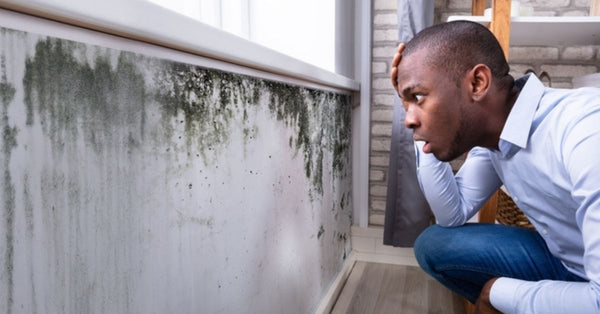
Mould spores are a form of fungus: living organisms that drift around our homes seeking a welcoming place to grow and reproduce. Mildew is a form of mould that grows in a flat pattern and appears powdery and fluffy, whereas mould is dark in colour, splotchy and often slimy.
Like all fungi, moulds derive energy from the organic matter on which they live. Mould requires moisture to live, preferably in the dark. Mould does not like dry and light conditions.
Mould spores, whether living or dead, are carried in the air. When inhaled or touched, they can cause allergic reactions, sometimes quite severe, such as respiratory infections and asthma.
1. Absorb Moisture
How can you reduce moisture and prevent mould?
Mould and mildew flourish in damp, humid and dark conditions. If you can correct the damp and humidity, you will be better able to bring the mould under control.
Linii Huon Pine works to absorb moisture and smells naturally. Place it in wardrobes, drawers, pantries, sports bags, shoes or anywhere you wish to keep moisture and smells at bay.
As a moisture absorber, Huon Pine breathes with the environment. When it is wet and humid, the product will absorb up to one-third of its weight in moisture. As the air naturally dries, it will expel that moisture and dry out.
Linii will also deter silverfish, clothes moths and fleas.
2. Make a DIY Charcoal Dehumidifier
How do you make a natural moisture absorber with charcoal?
If you are experiencing extra moisture in your home, a DIY charcoal dehumidifier may help trap the moisture and dry out the air. This is a particularly handy natural moisture absorber for wardrobes, pantries and other small spaces.
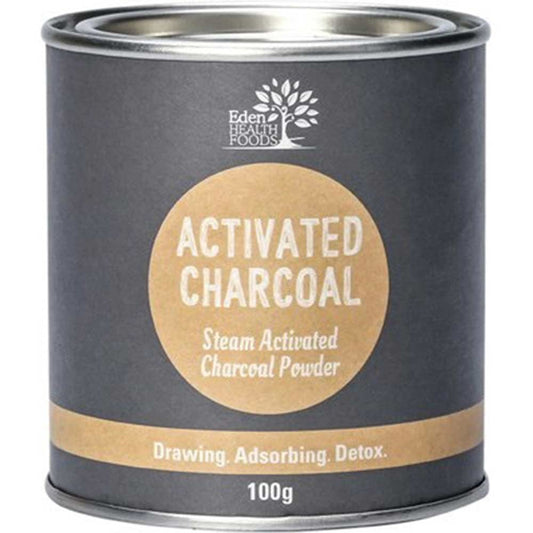
How to make your own charcoal dehumidifier: Use a screwdriver to punch holes in the lid of a clean can. Fill it with activated charcoal and place it in the area where you would like to remove moisture. Replace the charcoal every few months.
An alternative idea is to put a few drops of pure clove oil on jumbo sticks of blackboard chalk, then place them in cupboards around the house and allow the scent to waft around killing mould spores. Add a few more drops of oil every month or so, once the scent has disappeared.
This is a particularly good idea because you are not spraying any more moisture into an already moist house.
3. Destroy Mould
What kills mould naturally?
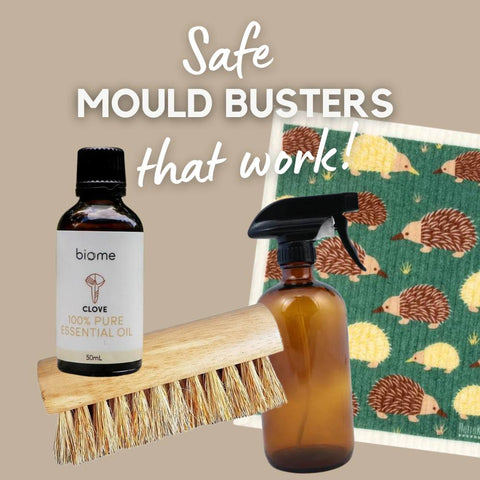
If you have noticed mould starting to appear, clove oil, vinegar and oxygen bleach can be used to kill the mould spores and help prevent it from returning. This is a natural mould removal method backed by CHOICE and Shannon Lush.
How do you make a natural clove oil mould spray?
- If you can, first clean the surfaces with a mixture of 4 litres of hot water, 1 tablespoon of bi-carb soda and half a cup of vinegar.
- Combine 500ml of water with 1/8 teaspoon of clove bud oil in a spray bottle. Screw on the lid and shake to combine. Do not make it any stronger, as it will not work better and may damage surfaces.
- Spray lightly over the affected area and leave for 24 hours. Clove oil will kill the mould spores.
- After 24 hours, wipe over the area using a cloth dipped into a 4:1 mixture of vinegar and water. This will remove the dead spores and kill any that remain. Vinegar causes mould to overeat and die.
- Any remaining discolouration on surfaces should be able to be removed with oxygen bleach.
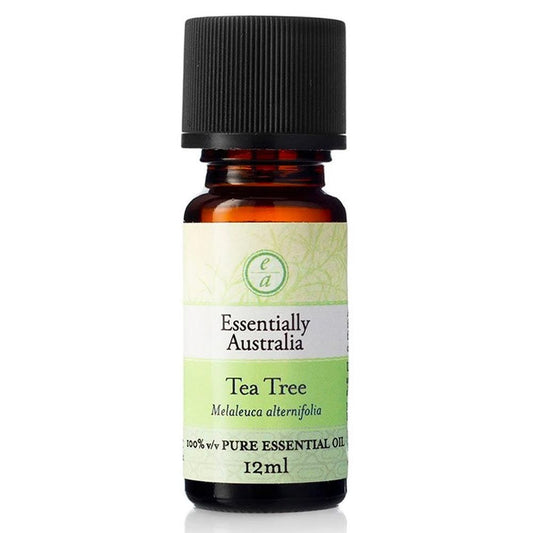
Australia's famous tea tree essential oil is also an effective mould destroyer. Tea tree oil is a natural fungicide and antiseptic that can help prevent mould spores from forming again.
Mould needs organic matter such as dead skin cells to thrive, so it is important to keep up with regular vacuuming and cleaning.
How do you remove mould from hard surfaces?
Follow the clove oil mould removal instructions above. Always patch test your solution first to check that it will not mark or damage the surface.
How do you remove mould from soft furnishings?
Mix one kilogram of uniodised salt into a 9 litre bucket of water. Wash the affected surface, wait until the salt crust forms and brush it off with a soft broom. Please take care that the salt does not end up in the garden.
How do you remove mould smells from carpet?
Use half the amount of soap recommended in the instructions for your steam cleaner, then add half a cup each of bi-carb soda, white vinegar and methylated spirits, plus two teaspoons each of eucalyptus oil and glycerine.
Steam clean your carpet as usual.
How do you remove mould from clothes and shoes?
Take the clothes outside and brush them off so that the mould spores do not spread around the house. Hang them in the sun, as sunlight can kill some forms of mould.
If necessary, spray the affected area lightly with a mixture of one-quarter of a teaspoon of clove oil to one litre of water. Always patch test in a discreet spot first.
If the mould has stained the fabric, Shannon Lush suggests using one kilogram of salt per bucket of water and soaking the clothing overnight. Hang the clothes on the clothesline without rinsing. Once the fabric dries, a salt crust will form. Brush it off.
Thank you to ABC Local Radio and Shannon Lush for the cleaning references.
Looking for a natural mould remover?
Find clove oil, oxygen bleach and other natural solutions for tackling mould and moisture around your home.
4. Invest in a Quality HEPA Filter
Can a HEPA air purifier help with mould spores?
Mould spreads by releasing its spores into the air. Besides making a mess of other surfaces, inhaled mould spores can trigger a range of symptoms, including allergic reactions and asthma attacks in some people.
An air purifier designed specifically for mould will capture these spores and purify the air you breathe.
5. Purify The Air With Essential Oils
Can essential oils help purify the air?
Placing essential oils such as clove and tea tree in a waterless oil diffuser can ‘catch and kill’ airborne mould spores. It is important not to use a diffuser that creates steam, as that will only produce more moisture.
Run the diffuser for a few hours.
Clove and tea tree oils can be irritating to breathe in, so we recommend keeping people and pets out of the room while you are diffusing them.
Related reads
6 Things to Know About Using Clove Oil for Mould
Every DIY Cleaning Recipe You Need to Clean Your Home Naturally