






First published September 2018, updated July 2026.
Vinegar is a really effective way at cleaning mould naturally. While bleach simply bleaches the mould white, vinegar works to kill the mould spore, and if used regularly can even prevent the mould and mildew from coming back.
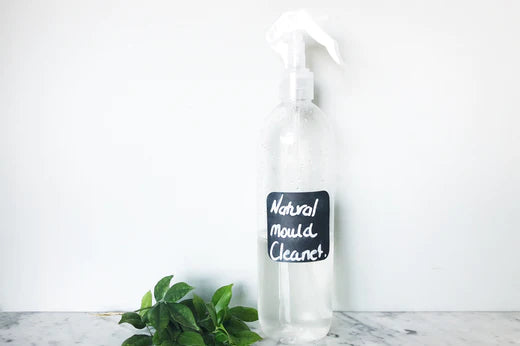
Combining vinegar and essential oils known for their antifungal and antiseptic properties, this DIY mould and mildew cleaner is really easy to make and will leave a clean and fresh scent.
Looking for a natural mould cleaner? White vinegar is one of the most commonly recommended natural ingredients for cleaning mould on hard, non-porous surfaces. This simple homemade mould cleaner combines vinegar with water and essential oils to freshen surfaces while avoiding synthetic fragrances and harsh chemicals.
Why use a natural mould cleaner?
Making your own natural mould cleaner is a simple way to reduce plastic waste while using ingredients that are very effective for regular household cleaning. Instead of buying a new spray bottle each time, you can refill the same glass bottle whenever you need more.
This recipe uses just a handful of ingredients, most of which are easy to find at supermarkets or natural retailers, making it an easy cleaner to keep on hand for bathrooms, laundries and other mould-prone areas.
- Refill instead of replacing with a reusable glass spray bottle.
- Uses simple ingredients that are easy to source.
- Avoids bleach and synthetic fragrances found in some conventional mould cleaners.
- Suitable for regular cleaning of appropriate hard, non-porous surfaces.
- Ready in just a few minutes whenever you need a fresh batch.
DIY natural mould and mildew cleaner
This homemade mould killer recipe uses a small number of simple ingredients and can be mixed directly in a reusable spray bottle.
Ingredients
- 1 cup pure white vinegar
- 20 drops lemon essential oil
- 40 drops tea tree essential oil
You will also need a spray bottle.
Tip: Add some clove essential oil to the cleaner for added mould killing power.
Clove oil is commonly used in natural mould-cleaning blends. Learn more about using clove essential oil to remove mould.
Method
- Add the vinegar and essential oils to the spray bottle.
- Secure the lid and shake well to mix.
- Add a label to the spray bottle if desired. Your natural mould and mildew cleaner is now ready to use.
How to use your homemade mould cleaner
As mould and mildew is toxic, it is best to use a face mask and gloves when cleaning it. Shake the bottle well before each use and spray on the surface to be cleaned.
Let it sit for about an hour before wiping with a dry cloth.
Use a scrub brush to remove any tough areas. Spray again with the cleaner and allow to air dry (no need to rinse).
Always test the cleaner on a small, inconspicuous section first. Do not mix vinegar with bleach or other household cleaning products.
Where can I buy the ingredients to make my own mould cleaner?
Pure white vinegar is available from most supermarkets, while clove oil, lemon oil, tea tree oil and reusable glass spray bottles are available from Biome.
Shop the ingredients & tools

For DIY mould-cleaning blends. |

Adds a fresh citrus scent. |
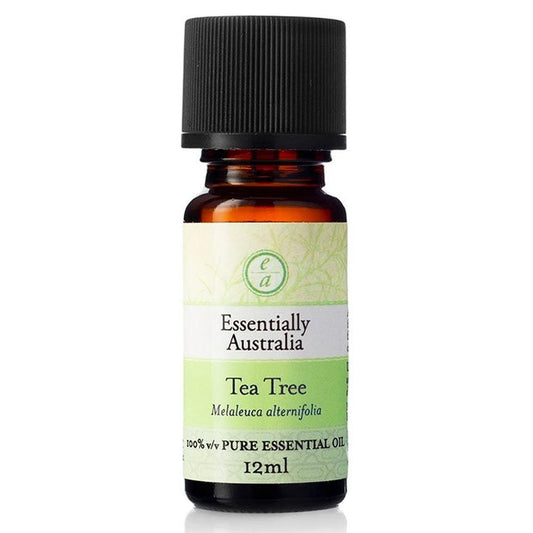
A popular natural cleaning oil. |
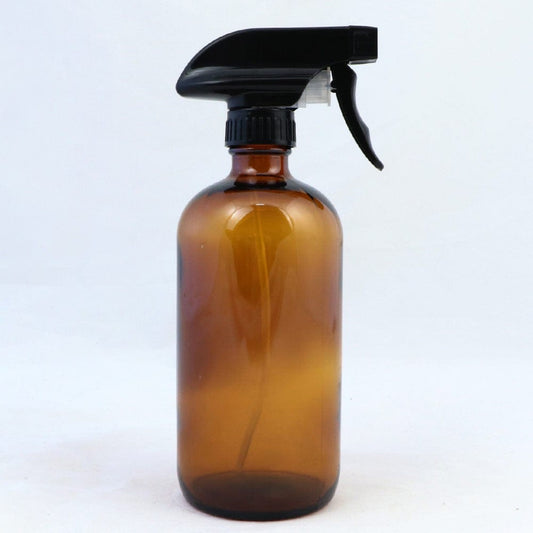
Refill instead of replacing. |
What surfaces can this natural mould cleaner be used on?
This vinegar mould spray may be suitable for small areas on hard, non-porous surfaces such as:
- Bathroom tiles
- Shower screens
- Glass
- Some sealed sinks and benchtops
- Other vinegar-safe household surfaces
- Sealed grout
Avoid using vinegar on natural stone, marble, granite, unsealed timber, waxed surfaces or any material whose manufacturer advises against acidic cleaners.
Porous materials such as plasterboard, carpet, insulation and soft furnishings may hold mould below the surface and can require specialist treatment or replacement.
How can I help prevent mould from coming back?
Regular cleaning can help manage surface mould, but reducing moisture is the most important step in preventing it from returning.
To reduce the chance of mould appearing again in the future:
- Use an exhaust fan during and after showering.
- Open windows and doors when conditions allow to improve airflow.
- Dry wet shower screens, tiles and windows rather than leaving moisture to sit.
- Repair plumbing leaks, roof leaks and water damage promptly.
- Keep indoor humidity below 50% where practical. A dehumidifier may help in damp rooms.
- Move furniture slightly away from external walls to improve air circulation.
- Use this DIY spray to clean mould-prone surfaces regularly before growth becomes extensive.
You can spray this mould and mildew cleaner onto suitable mould-prone surfaces each week and allow it to air dry as a preventative measure, provided the surface can safely tolerate vinegar.
Does vinegar kill mould?
White vinegar is widely used as a natural mould cleaner because its acidity helps clean many common household moulds from suitable hard, non-porous surfaces. While it won't solve the moisture problem that caused mould to grow, it can be an effective option for routine household cleaning.
Frequently asked questions about natural mould cleaner
Is homemade mould cleaner effective?
A homemade mould cleaner made with vinegar can be effective for cleaning small areas of surface mould on suitable hard, non-porous surfaces. It won't repair water damage or remove the underlying source of moisture, so recurring mould requires addressing the cause as well as the visible growth.
Can I make a mould spray with vinegar alone?
Yes. White vinegar is the primary cleaning ingredient in this recipe and can be used on its own as a simple homemade mould spray. Lemon, tea tree or clove essential oils may also be added to create a natural cleaning blend and leave a fresh scent.
Can I use this mould cleaner on grout?
It depends on the grout. Vinegar may affect some cement-based or unsealed grout over time, so always test a small area first and follow the manufacturer's care instructions. Avoid using vinegar on grout surrounding natural stone such as marble or granite.
Why does mould keep coming back after cleaning?
Mould usually returns when moisture remains present. Poor ventilation, condensation, plumbing leaks, roof leaks and high indoor humidity are common causes. Cleaning the mould without addressing the source of the moisture is unlikely to prevent it returning.
How often should I clean mould-prone areas?
Bathrooms, showers, laundries and other damp areas benefit from regular cleaning before mould becomes established. Cleaning suitable surfaces weekly, improving ventilation and reducing moisture can help prevent mould returning.
When should mould be professionally removed?
Professional mould remediation may be needed if mould covers a large area, follows flooding or significant water damage, repeatedly returns, or is growing inside walls, ceilings or ventilation systems.
Related Reads
6 things to know about using clove oil for mould removal
How to make a fizzy toilet cleaner
Disclaimer
This DIY recipe is intended for cleaning small areas of surface mould on suitable household surfaces and is not a substitute for professional mould remediation. Always wear appropriate protective equipment, ventilate the area, test surfaces first and follow essential-oil safety directions. Do not combine vinegar with bleach or other cleaning products. If mould is extensive, repeatedly returns, follows water damage or may be affecting health, seek advice from a qualified professional.
Original recipe by Sarah from One Essential Community.