





Wipe up a splash of water. Throw the paper towel away. Add another roll to the shopping list.
It’s so familiar we barely question it. But we’re buying something, using it for a few seconds and paying to do it all again. Why keep buying what you could keep reusing?

At Biome, we challenge the idea that sustainable choices always cost more. A Swedish dishcloth is a simple example of why the price on the shelf doesn’t tell the whole story.
Absorbent, washable and made from plant fibres, these little cloths take on everyday clean-ups before being composted at the end of their useful life.
Quick answer: Are Swedish dishcloths worth the money?
Yes, Swedish dishcloths can offer good value when you use them regularly instead of disposable paper towels and wipes. They absorb spills, wipe surfaces and can be washed and reused. Made from cellulose and cotton rather than synthetic plastic fibres, they’re also compostable at the end of their useful life.
What is a Swedish dishcloth?
A Swedish dishcloth is a flat sponge cloth that feels firm when dry and becomes soft and flexible when wet. You might also see it called a Swedish dish cloth, cellulose cloth or dish sponge cloth.
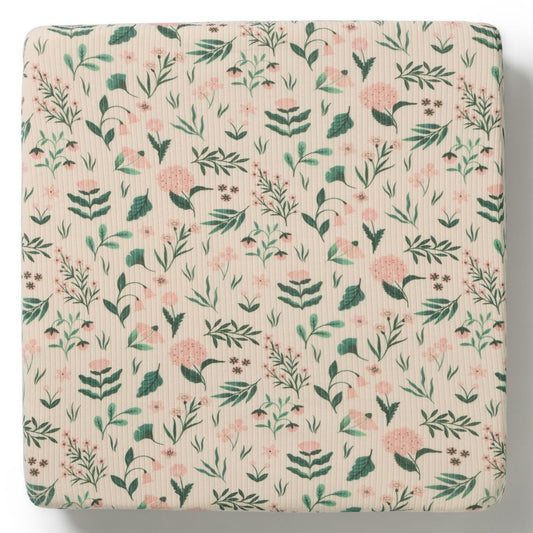
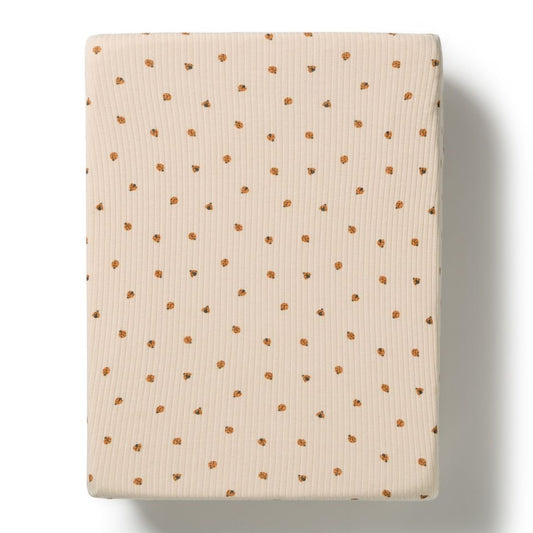
Biome’s printed Swedish dish sponge cloths are made in Sweden from 70% cellulose and 30% cotton. Cellulose is a plant-derived material commonly made from wood pulp.
Think of it as a cross between a sponge and a cloth: easy to squeeze out, easy to wipe with and handy for collecting the water that always seems to gather around the kitchen sink.
What is so special about Swedish dishcloths?
- ✓ Highly absorbent: absorbs up to 20 times its weight.
- ✓ Washable: machine washable up to 200 times, depending on use and care.
- ✓ Replaces paper towel: for everyday spills and surface wiping.
- ✓ Made from plant fibres: cellulose and cotton, without synthetic plastic fibres.
- ✓ Compostable: at the end of its useful life.
- ✓ Multi-use: for benches, tables, around the sink and other suitable washable surfaces.
Explore Swedish dishcloths at Biome →
How do Swedish dishcloths save money?
Paper towel is a purchase you keep throwing away. Every spill uses another sheet. Every empty roll means buying more.
A Swedish dishcloth can be washed up to 200 times, replacing disposable sheets with repeated use from one purchase.
Keep one beside the sink for spills and everyday wiping. Wash it with a suitable existing load, following its care instructions. The more paper towel it replaces, the further your money goes.
Buy once. Clean up again and again.
Cloths our customers keep coming back for
250+ five-star reviews across our Swedish dishcloth range. From everyday spills to professional cleaning jobs, here’s why customers love them.
★★★★★ Wears well
“I clean as a profession and use these compostable sponges at every job. They are great, wear well, all are washed twice weekly in a very hot wash and get a beating but they last a long time.”
★★★★★ They last and last and last!
“I love these dish cloths. I’ve been buying them for years. They start in my kitchen, followed by the bathroom, then dusting and then the garage! They just last and last and last! I love the funky designs too.”
★★★★★ Love these!
“They last for ages, look cute and go in the compost when they reach end of life. So convenient for mopping up spills, don't get smelly and dry out easily if you hang them up.”
★★★★★ Best kitchen sponges!
“Gorgeous designs to brighten your kitchen and a fabulous product. Just the right amount of absorbency and long-lasting”
Why pay to throw it away?
Every spill doesn’t need something destined for the bin.

One cloth. Everyday spills. Up to 200 washes.
Less to replace. Less to throw away. More from what you buy.
Explore Swedish dishcloths in Australia at Biome.
Do Swedish dishcloths release microplastics?
Our authentic Swedish dishcloths are made from cellulose and cotton, so their fibres don’t shed microplastics as they wear.
Synthetic cloths made from materials such as polyester can. A cloth may be reusable and still be made from plastic- what it’s made from matters, too.
Are Swedish dishcloths compostable?
Yes, our cellulose and cotton Swedish dishcloths are home compostable at the end of their useful life.
Wash them, reuse them and let them earn their place beside the sink. Once worn out, cut into small pieces and add to your home compost, following the product’s instructions.
What can you use Swedish dishcloths for?
Their absorbency makes them particularly handy for the small, frequent clean-ups that keep a kitchen ticking over.
- ✓ Spills: soak up water and everyday splashes, squeeze out and repeat.
- ✓ Benches and dining tables: wipe away crumbs and residue, using a suitable cleaner when needed.
- ✓ Around the sink: collect water from the draining board and surrounding surfaces.
- ✓ Cupboard fronts: wipe suitable washable surfaces according to the surface manufacturer’s advice.
- ✓ Light washing-up: clean dishes that don’t need abrasive scrubbing.
- ✓ Bathroom basins: use a separate, dedicated cloth that stays out of the kitchen.
They aren’t scourers, so keep a suitable brush or scrubber for stuck-on food. A dedicated drying or polishing cloth is a better choice for finishing wine glasses.
Comparing different materials? Our guide to reusable dish cloths and sponges explains which options suit different jobs.
How long do Swedish dishcloths last?
Our Swedish dishcloths can be washed up to 200 times, depending on use and care. Keep a spare handy while the other is in the wash. Customers report using them for months and months.
A little curling or staining doesn’t mean it’s finished. If it still cleans effectively and washes well, keep using it. Retire it when it starts breaking apart, stops working effectively or retains an unpleasant smell after proper washing.
Are Swedish dishcloths hygienic?
Yes, with regular washing, drying between uses and separate cloths for different cleaning tasks.
- ✓ Rinse away food and residue after use.
- ✓ Squeeze out water and hang over a rail or rack to dry.
- ✓ Swap soiled cloths for clean ones.
- ✓ Keep kitchen, bathroom and toilet-cleaning cloths separate.
- ✓ Keep your bench cloth away from raw meat juices.
How do you use and wash a Swedish dishcloth?
- Wet it. Let the dry cloth soften, then squeeze out excess water.
- Wipe. Clean your surface or soak up the spill, rinsing as needed.
- Rinse and hang. Remove loose residue, squeeze out the water and give it somewhere to dry.
- Wash and rotate. Wash regularly and whenever it becomes soiled, using a clean spare in the meantime.
Biome’s Swedish dish sponge cloths are machine washable. Keep clean, dry spares somewhere easy to reach. Making the reusable option convenient is what helps a new habit stick.
Swedish dishcloth FAQs
Why does my Swedish dishcloth go hard?
That’s normal for this type of sponge cloth. Wet it and it becomes flexible again. You don’t need to keep it damp to preserve its softness; allow it to dry between uses.
Why does my Swedish dishcloth smell?
Food residue and being left damp can contribute to unpleasant smells. Wash regularly, rinse after use and hang it to dry. If a smell persists after proper washing, replace the cloth.
Can Swedish dishcloths replace all paper towel?
They can replace paper towel for plenty of everyday spills and surface wiping. Keep your everyday cloth away from raw meat juices and use disposable paper for those tasks.
Can you use Swedish dishcloths in the bathroom?
Yes, use a dedicated bathroom cloth and keep it separate from kitchen cloths. Keep toilet-cleaning cloths separate again. Different colours or prints can help everyone tell them apart.
Which Swedish dishcloth is best?
Look for a cellulose and cotton cloth with clear washing instructions and composting guidance. Choose a design you love, then put it to work. Washing and reusing it is where the value comes from.
How absorbent are Swedish dishcloths?
They can absorb up to 20 times their weight.
Can Swedish dishcloths go in the dishwasher?
Yes, Swedish dishcloths can go on the dishwasher’s top rack. Rinse away food debris first, position the cloth so water can reach it, then hang it to dry after the cycle.
How do you clean Swedish dishcloths?
Wash with detergent in the washing machine or on the dishwasher’s top rack, then hang to dry thoroughly. Rinse between uses, but don’t rely on rinsing alone to keep your cloth clean.
Related reads
Choosing reusable dish cloths and sponges →
How to wash dishes without plastic →
Think Again: what’s the value behind the price tag?