





Originally published October 2025, updated September 2026.
You won't see clothes moths flying around like pantry moths. They quietly crawl into your dark wardrobe and lay their eggs on your soft natural fibres. Then the larvae hatch and silently chew through your best stuff before you ever see them!
So it isn't going to work to chase moths with a vacuum, you'll have to interrupt their life cycle. And as we lay out here, that means: Freezing. Cleaning. Disturbing. Then protecting.
No toxic naphthalene. No plastic beads. No nasty moth ball smell. And clothes that last longer than one winter!
Quick answer: Does freezing clothes kill moths?
Yes. Seal the dry garment in a zip-lock or vacuum bag and freeze it for 72 hours to kill hidden clothes moth eggs and larvae. Let the sealed bag return to room temperature before opening it to prevent condensation. Then clean the garment and wardrobe, disturb dark hiding places and add natural moth deterrents to help stop them returning.
What do clothes moth larvae eat?
Clothes moth larvae love a protein called keratin that's found in:
Natural fibres like wool, silk, cotton, linen,
Human or animal sweat, skin cells, food – even tiny traces
And they love dark, undisturbed spaces where no one looks for months.
Fun facts about keratin and why moths love it
Keratin is the protein that is the structural building block of hair, wool, feathers, fur, nails, horns, and skin in animals. It’s rich in amino acids – and it’s the main thing clothes moth larvae eat.
You’ll find keratin in:
- Wool jumpers, suits, scarves
- Felt hats, woollen slippers
- Silk dresses, blouses, ties
- Cashmere, alpaca, mohair
- Feather/down jackets or cushions
- Even pet hair left on clothes
🟡 No keratin = no interest.
That’s why synthetic fibres are safe, unless they’re dirty. Even cotton or blends can be targeted if there’s food, sweat, or skin cells on them.
If you aren’t sure whether clothes moths or silverfish are causing the damage, see our guide to the difference between clothes moths and silverfish.
How do you break the clothes moth life cycle?
Freezing affected clothes is the first step, but it works best as part of a wider routine. Here are our five smart tactics to stop clothes moths. How many are you doing?
1. How to freeze clothes to kill moths
The most effective way to stop clothes moths is simple and chemical free: kill their eggs and larvae with freezing temperatures.
- Seal items in a zip-lock bag (or vacuum pack)
- Freeze for 72 hours
- Leave the sealed bag at room temperature for a few hours before opening— his prevents condensation forming on the clothes as they warm up.
Freezing is best when:
- You’ve discovered an infestation and want to kill hidden eggs or larvae ASAP
- You’re about to store seasonal clothes (e.g. wool, silk, or cashmere) for months
- You’ve bought secondhand or vintage clothes and want to make sure they’re pest-free before putting them away
- You live in a warm or humid area where moths are more active all year round
- The fabric is not safe to hot wash or dry clean
2. Clean clothes before storing them
Larvae don’t just eat fabric—they feed on what's on the fabric.
- Wash everything before storing, even if it “seems clean”
- Remove pilling, hair, and lint with a fabric comb
- Avoid putting worn or damp clothes back in the wardrobe
3. Disturb quiet moth hiding places
Moths thrive on stillness. Storage boxes, bottom drawer, jam packed winter coats.
Break their comfort zone:
- Open your wardrobe doors for a full day now and then
- Shake out rarely worn items
- Vacuum the floor, corners, and inside drawers
4. Store clothes to keep moths out
Cardboard boxes are too chewable; plastic shopping bags are too thin and flimsy; and cheap storage tubs without a tight seal trap humidity but still let moths in.
Best options:
- Zip-up tightly woven cloth storage bags - clean canvas or organic cotton with a tight weave, zip so moths can't squeeze in
- Airtight lidded plastic containers
- Add moisture absorbing pouches to manage moisture
Of course, you must make sure that before clothes go into the airtight containers that they are fully clean and dry.
5. Protect clothes with natural moth deterrents
Here’s where red cedar and Huon pine do their best work:
once the space is clean, dry, and under control.
- Red cedar blocks naturally deter adult moths from settling in
- Linii Huon Pine is an Australian-native powerhouse with a subtle, fresh scent
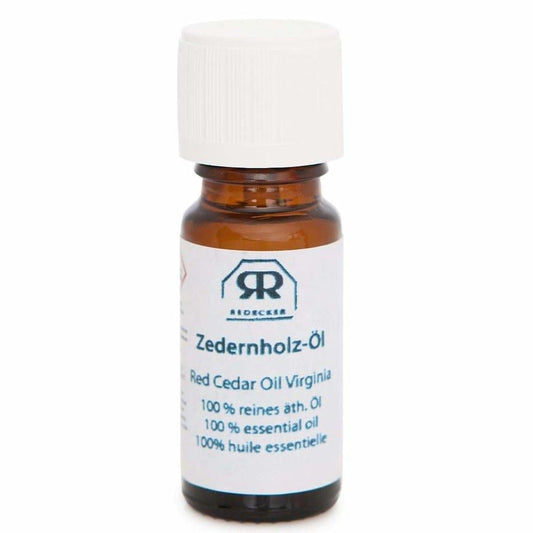
- Refresh cedar blocks by lightly sanding or adding a drop of red cedar oil
Tip: place blocks in every drawer, shelf, and hanging section—not just one corner.
Natural timber oils interrupt the moths' instinct to breed in that space.
Natural deterrents work best after an infestation has been dealt with. For more information about red cedar, Huon pine and essential oil options, read how to deter clothes moths naturally.
Your checklist to stop moths in their tracks
- ✅ Freeze natural-fibre items for 72 hours
- ✅ Clean every garment before storing
- ✅ De-pill woollens and remove lint
- ✅ Use smart storage, not cardboard or soft plastic
- ✅ Add red cedar and Huon pine once the space is reset
- ✅ Disturb the stillness every month
- ✅ Keep humidity down
What can you use to protect clothes from moths?
Linii Huon Pine Bags – beautifully subtle, Australian-made
Red Cedar Blocks – classic, potent, sustainable
The Original Fabric Comb – make your knits smooth and unappetising to moths
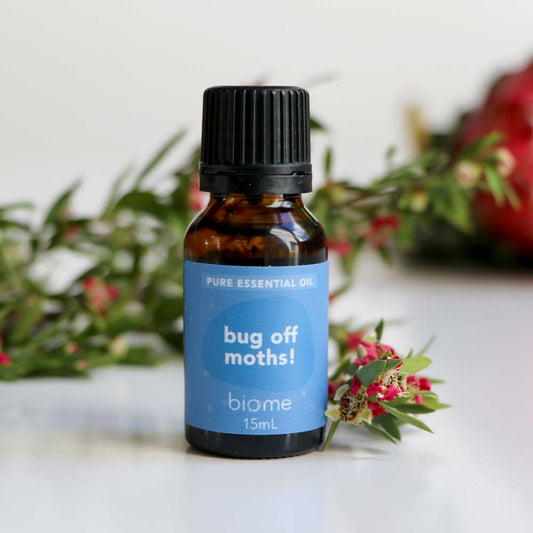
Bug off Moths and Bug Off Silverfish essential oil blends

Frequently asked questions about freezing clothes to kill moths
Does freezing clothes kill moth eggs and larvae?
Yes. Freezing affected clothes for 72 hours can kill hidden clothes moth eggs and larvae without using pesticide-based mothballs.
How long should you freeze a wool jumper to kill moths?
Seal the jumper in a bag and leave it in the freezer for 72 hours. Let the sealed bag return to room temperature before opening it so condensation does not form directly on the wool.
Can you freeze wool, silk and cashmere?
Freezing can be useful for delicate natural fibres that cannot be hot washed. Make sure each garment is dry, properly sealed and handled according to its care instructions.
Should you wash clothes before or after freezing them?
If you have discovered an active infestation, freeze the affected garment first to kill hidden eggs and larvae. Afterwards, clean it according to the care label and make sure it is completely dry before storing it.
Why should clothes remain sealed while they return to room temperature?
Keeping the bag sealed while the garment warms up helps prevent condensation from forming directly on the fabric.
Is freezing clothes enough to stop moths returning?
No. Freezing treats the affected garments, but the wardrobe must also be vacuumed and cleaned. Wash clothes before storing them, disturb quiet storage areas regularly and add natural moth deterrents only once the space is clean and under control.
Should you freeze secondhand wool clothing?
Freezing secondhand or vintage wool, silk and cashmere before adding it to your wardrobe is a useful precaution against bringing hidden moth eggs or larvae into your home.
Related reads
The truth about toxic moth balls
What's the difference between silverfish and moths?
How to get rid of and prevent clothes moths
Why do clothes moths keep coming back? How to break the cycle
Help! I found moth eaten holes in my wool carpet. What can I do?