





Read on as we share the best moth repellent for clothes, and how you can deal with a clothes moth infestation naturally using red cedar or Linii Huon Pine.
Originally published September 2024. Updated September 2026.
Quick answer: How do you get rid of clothes moths naturally?
Remove and clean all clothing, thoroughly vacuum and wipe out the wardrobe, then ventilate it for at least 24 hours. Once the space is clean, add red cedar blocks or Linii Huon Pine as a natural moth deterrent. These help prevent adult clothes moths from settling and breeding, but they will not remove an existing infestation on their own.
How can you tell if you have clothes moths?
Adult clothes moths are very secretive, and you won't see them flying around much at all. Usually, the first indication you have them is when you find the damage that the larvae have caused- holes in your clothes!
Clothes moth larvae love natural fibres like wool, cotton and linen. If you pull out a cotton t-shirt or woollen jumper and find it covered in little holes, you may very well have clothes moths.
How do you get rid of clothes moths?
Step 1: Wash your clothes and clean out your wardrobe
Once you've discovered you have a problem, the first thing you should do is clear out the moths, larvae and eggs. Remove all of your clothes from your wardrobe or drawers and wash them using the warmest temperature allowed on each garment’s care label.
While your clothes are washing, wipe down the walls, shelves and corners of your wardrobe with soapy water, and give the entire space a really thorough vacuum.
Step 2: Ventilate your wardrobe well
Open your wardrobe up and expose it to as much light and fresh air as possible. Leave it open for at least 24 hours. Once your clothes have been washed and the wardrobe is clean and dry, you can return them.
Step 3: Add a natural moth repellent
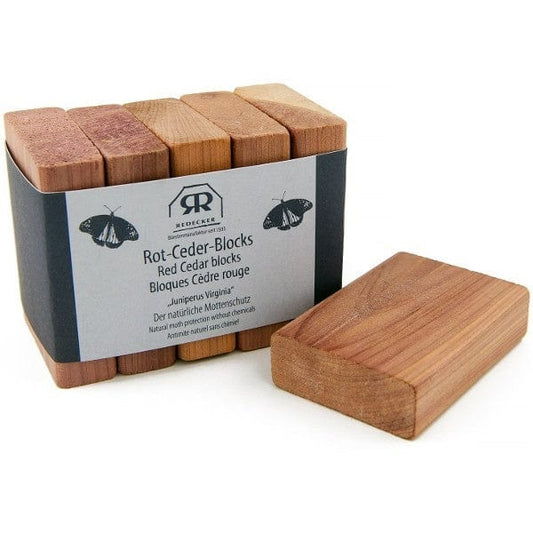
After you have been through the above steps, add a natural moth repellent to your clean wardrobe. Pop a few red cedar moth repellent blocks into your wardrobe and close it up. Our red cedar blocks are made from sustainably harvested American red cedar. Alternatively, choose Australian-made Linii Huon Pine.

Does red cedar repel clothes moths?
Red cedar and Linii Huon Pine are effective moth deterrents and a safe alternative to the highly toxic naphthalene moth balls. They are the best natural moth repellents for clothes. A space that has a strong red cedar or Linii Huon Pine smell will deter adult clothes moths from entering, settling in and breeding. It's important to only add the blocks to a clean space, though.
Red cedar and Linii Huon Pine won't drive moths and their larvae out of a space; they simply deter adult moths from entering and settling there in the first place.
If you add the red cedar blocks or Linii huon pine to an infested space without going through the above steps and cleaning it out first, the adult moths will learn to live with the smell, the larvae will grow up accustomed to it, and you won't solve the problem of them eating your clothes.
Concerned about conventional mothballs? Read about what naphthalene mothballs contain, their health risks and safer alternatives.
How can you stop moths eating your clothes?
✓ Protect your clothes using a natural moth repellent throughout the year.
✓ Between seasons, store clothes in airtight storage boxes or garment bags. Ensure they are completely airtight so moths can't get in there!

Before you pack your woollens away
Once your woollens are clean, remove pilling, fluff and hair with The Original Fabric Comb before storing them.
✓ When regularly wearing clothes made from natural fibres, make sure they are clean when you hang them in your wardrobe and free from food, sweat and other debris (this makes your clothes extra enticing to clothes moths!).
✓ If, like us, you like to go a few wears between washing to save on resources and prolong the life of your clothes, hang worn clothes in a breezy spot outside your wardrobe.
✓ Once a week, open up your wardrobe and drawers and give them a good airing. Every few months, give them a thorough clean too.
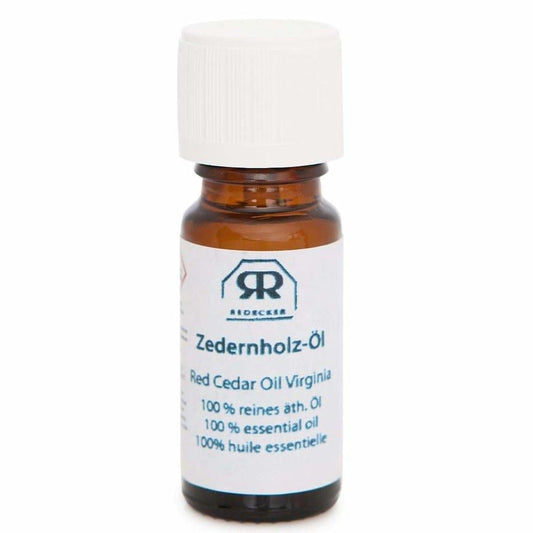
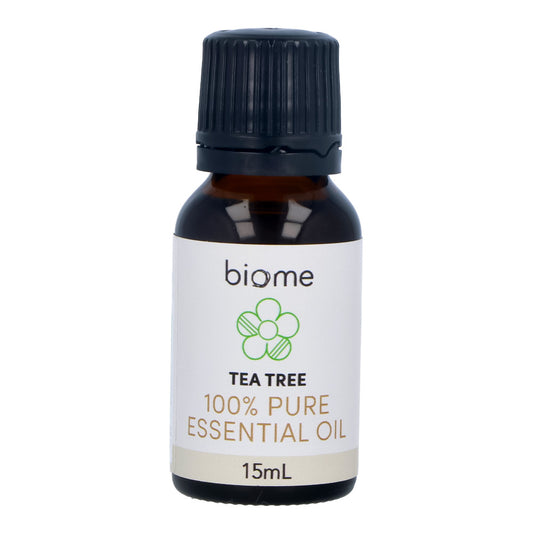
✓ If you use red cedar blocks to deter clothes moths, sand them back every month or so to rejuvenate the scent. You can also add a few drops of red cedar essential oil to replenish them.
What is the best natural moth repellent for clothes in Australia?
At Biome, we offer a range of natural moth repellent options to help protect clothing without relying on conventional naphthalene mothballs.
Here are our top choices for naturally deterring clothes moths.
Red cedar blocks and red cedar oil
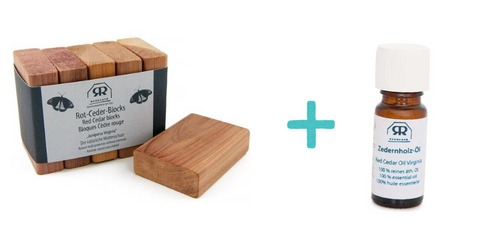
Best for: Keeping wardrobes, drawers and stored clothing smelling strongly of red cedar to deter adult clothes moths.
Tip: Sand the red cedar blocks occasionally to rejuvenate the natural scent, then add a few drops of red cedar oil when they need a further refresh.
Linii Huon Pine

Best for: An Australian-made natural moth deterrent for wardrobes, drawers and clothing storage.
Linii uses the naturally distinctive aroma of Huon Pine to help deter clothes moths. Add it only after the wardrobe and clothing have been thoroughly cleaned.
Not sure whether the damage is caused by clothes moths or silverfish? These pests are different and require different deterrents. See how to tell the difference between clothes moths and silverfish.
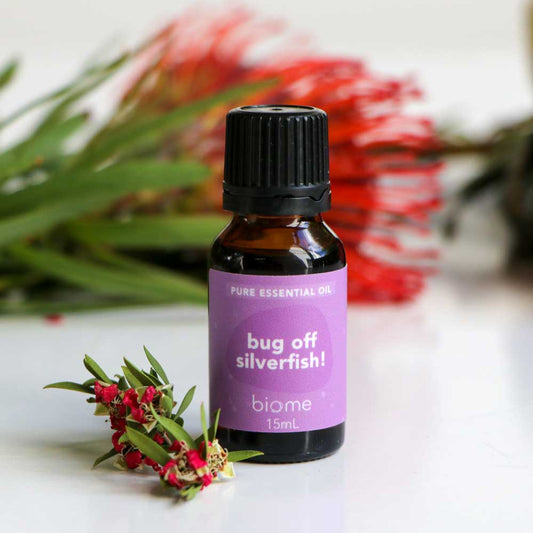
For silverfish: Bug Off Silverfish and the Banksia Aroma Pod
Tip: If silverfish are the problem, add a few drops of Bug Off Silverfish to a Banksia Aroma Pod and place it in your pantry or wardrobe.


Ready to protect your clothes naturally?
Explore natural moth repellents for wardrobes, drawers and stored clothing, including red cedar and Australian-made Linii Huon Pine.
Shop natural moth repellentsFrequently asked questions about clothes moths
How do you use essential oil moth repellent in a wardrobe?
Add a few drops to an absorbent material such as a cotton round or fabric pouch, then place it in wardrobe corners or drawers without allowing the oil to touch clothing directly. You can also use the blend to refresh existing moth-repellent sachets. Reapply according to the product instructions or when the botanical scent fades.
What is the best moth repellent for clothes?
Red cedar and Linii Huon Pine are natural moth deterrents that can help prevent adult clothes moths from settling and breeding in a clean wardrobe. The aroma needs to remain noticeable, so red cedar blocks should be sanded and refreshed regularly.
Does red cedar kill clothes moths?
No. Red cedar is a moth deterrent rather than a moth killer. It will not remove moths, larvae or eggs from an already infested wardrobe, which is why thorough cleaning must come first.
How often should you sand red cedar blocks?
Sand red cedar blocks approximately once a month, or whenever their aroma begins to fade. A few drops of red cedar essential oil can also help replenish the scent.
Why do clothes moths make holes in clothing?
It is the clothes moth larvae, not the adult moths, that damage clothing. They feed on natural fibres and are particularly attracted to clothing carrying food, sweat or other debris.
How can you prevent clothes moths from returning?
Keep clothing and wardrobes clean, air wardrobes and drawers regularly, store seasonal clothing in airtight containers, and maintain a noticeable red cedar or Linii Huon Pine aroma in the space.
Are clothes moths and silverfish the same?
No. They are different pests and can require different deterrents. Read our guide to clothes moths versus silverfish before choosing a product.
Related reads
The toxic truth about mothballs: Just because it’s for sale doesn’t mean it’s safe
Clothes moths vs silverfish: What’s the difference and which oil should you use?
Freeze your woolly jumper—and other smart tactics to stop clothes moths
Why do clothes moths keep coming back? How to break the cycle