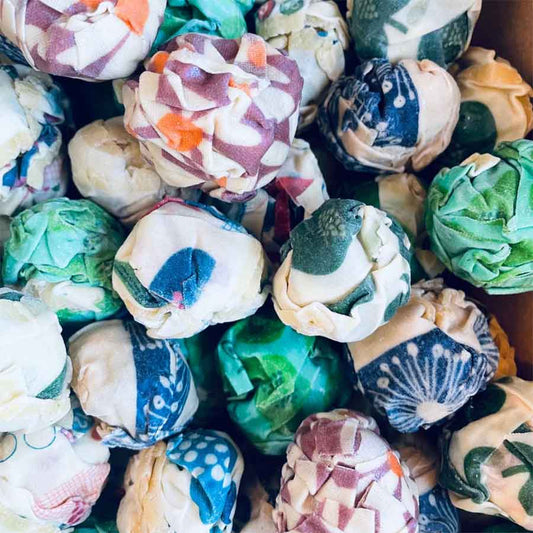






Most beeswax wraps last around 6 to 12 months with regular use, and often longer when cared for properly. Their lifespan depends on how frequently they’re used, how they’re washed, and the quality of the wax coating.
Well-made beeswax wraps gradually wear over time. Common signs they need refreshing or replacing include cracking, thinning fabric, or loss of stickiness.
The good news? Many beeswax wraps can be refreshed by reapplying beeswax, which can significantly extend their life.
The high-quality wraps found at Biome made with natural fibres and genuine Australian beeswax tend to last far longer than thinner, lower-quality alternatives.
First published July 2025. Updated May 2026.
How long should my beeswax wrap last for?
One of the most common questions we hear from Biome customers is, “How long do beeswax wraps actually last?” Most beeswax wraps and beeswax bags last six months to a year - sometimes lasting even longer if you treat them well.
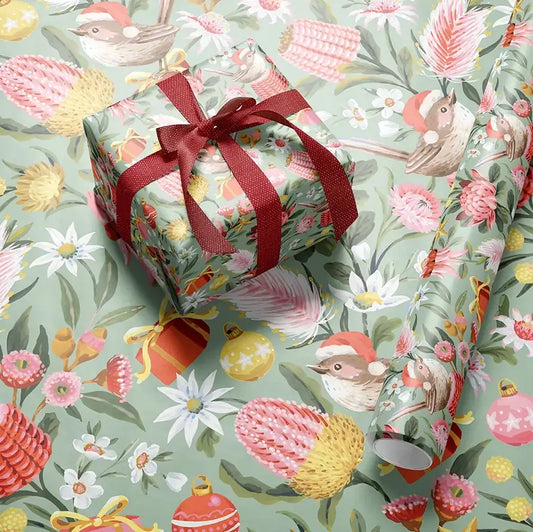
Beeswax wraps are designed to be reused over and over as a natural alternative to plastic wrap. Their longevity makes them a favourite swap for those aiming for a lower-waste, more sustainable kitchen.
What affects how long beeswax wraps last?
Frequency of use
The more often you use and wash your wraps, the faster they’ll wear out. Daily lunch wrappers or sandwich wraps will show their age quicker than wraps used for covering leftovers once a week.
Washing method
Gentle is best. Use cool water and a mild, alcohol-free dish soap like the plastic free Biome Dishwash Block. Hot water or scrubbing with a brush will break down the wax coating faster.
Types of food stored
Wraps used for sticky or oily foods might need more washing, which can shorten their life.
Quality of the wrap
Biome’s wraps are handcrafted with Australian beeswax, plant oils and resin, and GOTS certified organic cotton. High-quality materials mean your wraps will generally last longer than mass-produced versions. The plant oils and resin are important to provide flexibility and stickiness.
Be wary of wax wraps in the supermarkets and online marketplaces that do not state where the wraps are made. They are likely made in China with poor quality wax and no idea of the treatment of the bees. If they were made in Australia, they would certainly tout that on the packaging!
How do I know when it’s time to replace my wrap?
You’ll notice:
- Loss of stickiness: The wrap doesn’t cling as well
- Cracking or flaking: The wax starts to break apart
- Thinning fabric: You can see through the cotton, or holes appear
If your wrap still works but has lost a bit of tackiness, you can often refresh it (see below).
Why choose Biome beeswax wraps?
At Biome, we’re committed to zero waste and safe, natural materials.
We offer two ranges of wax wraps:
- Both use GOTS certified cotton
- Free from synthetic fragrances and dyes
- Long-lasting, and safe for families and the environment


How to make beeswax wraps last longer
- Wash only as needed - spot clean if possible
- Avoid hot water, microwaves, and dishwashers
- Let wraps air dry fully before storing
- Keep away from direct sunlight and heat
Help! My beeswax wrap has worn out
When your beeswax wrap reaches the end of its life, don’t toss it in the bin. Instead:
- Refresh it: Melt more beeswax and re-coat. See our post here on How to refresh Beeswax Wraps
- Compost it: Cut up the wrap and add it to your compost or worm farm
- Use as a fire starter: Great for camping or the fireplace
Quick takeaways
- Most beeswax wraps last 6–12 months
- Treat them gently to extend their life
- Compost, refresh, or repurpose at end-of-life
- Biome wraps use high-quality, safe materials
FAQ
Can I use beeswax wraps for meat?
It is best not to use beeswax wraps directly with raw meat or raw fish. Because beeswax wraps are washed in cool water only, they cannot be sanitised at high temperatures like containers or silicone bags.
They are better suited to fruit, vegetables, bread, sandwiches, cheese and covering bowls of leftovers and salads.
Can I put beeswax wraps in the dishwasher?
No. The heat from the dishwasher will melt and damage the wax coating. Always hand wash beeswax wraps in cool or tepid water with a mild detergent.
Can I freeze food in beeswax wraps?
Yes. Beeswax wraps can be used in the freezer for short-term storage, usually up to a couple of weeks. They work well for bread, baked goods and leftovers.
Just avoid wrapping very wet foods, as excess moisture can affect the coating over time.
Are beeswax wraps compostable?
Yes. Beeswax wraps are compostable at the end of their life. Simply cut them into small strips first to help them break down faster in your compost or green waste bin.
How long do homemade beeswax wraps last?
Homemade beeswax wraps usually last around 6–12 months depending on how often they are used, washed and refreshed.
Higher-quality wraps with an even coating and good ingredients often last longer.
Can beeswax wraps be refreshed instead of replaced?
Yes. One of the best things about beeswax wraps is that they can often be refreshed instead of thrown away.
If the coating starts to wear thin or lose its stickiness, simply add more wax mixture and remelt it into the fabric.
What fabric works best for beeswax wraps?
Natural fabrics such as cotton or linen work best because they absorb the wax mixture evenly and remain breathable.
Synthetic fabrics are not recommended because they do not hold the wax as effectively.
Why do my beeswax wraps smell strongly of pine?
A mild pine scent from the resin is normal, especially when the wraps are freshly made.
If the smell is overpowering, the recipe may contain too much pine resin.
Can beeswax wraps replace cling wrap completely?
Absolutely yes for many households. Beeswax wraps can replace cling wrap for sandwiches, bread, bowls, cut fruit, vegetables and leftovers.
However, they are not suitable for very hot foods, raw meat or microwave use.
Do beeswax wraps actually keep food fresh?
Yes. Beeswax wraps help food stay fresh by creating a breathable protective layer around it.
Unlike plastic wrap, they allow some airflow while still helping reduce moisture loss.
↠ This article is part of Biome’s FAQ Series—real answers to real questions our customers ask every day about sustainable living, natural, toxin free and plastic free products, and making eco choices that matter. Find the whole Real FAQ series here
Related reading
Are Beeswax Wraps Hygienic? How To Clean Them Safely
Do Beeswax Bags Keep Bread Fresh?
Recipe for How to Make Your Own Beeswax Wraps
How To Refresh a Beeswax Wrap That's Lost Its Coating?
What to Use Instead of Plastic Cling Wrap
5 Clever Ways to Use Beeswax Wraps
What's the Difference Between Beeswax and Vegan Wraps and Which One Works Best?