




Originally published in June 2020. Last updated June 2026 with new information.
Quick answer: The best way to succeed at Plastic Free July is to start small, choose swaps that suit your routine and focus on building habits that last beyond July. A reusable water bottle, coffee cup, shopping bag, food container or plastic-free bathroom swap can make a real difference when used consistently.

We just love seeing the wave of passion, enthusiasm and positivity that sweeps across our community this time of year as more and more people take the challenge to reduce single use plastic waste and production during Plastic Free July (and beyond!).
Plastic Free July is a global movement that encourages people to reduce single-use plastic waste and rethink everyday habits. This guide shares simple Plastic Free July tips to help you plan ahead, avoid common mistakes and make swaps that are easier to stick with at home, at work and on the go.
By Tracey Bailey, Founder of Biome
Tracey founded Biome in 2003 after discovering how difficult it was to find practical alternatives to disposable plastics and unnecessary waste. For more than 20 years, she has helped Australians reduce plastic waste through education, advocacy and carefully selected reusable, plastic-free and low-waste products.
How to succeed at Plastic Free July
The most successful Plastic Free July changes are often the simplest. If you're wondering how to do Plastic Free July, start by identifying the single-use plastic items you use regularly and choose one or two swaps that fit naturally into your routine.
For example, you might begin with a reusable water bottle, coffee cup, shopping bag or lunch container. Once those habits become part of your day, you can gradually add more swaps.
Plastic Free July works best when it feels practical, not overwhelming. A small change repeated every day can have more impact than a big change that only lasts a week.
Ready to get started? If you're new to the challenge, these practical Plastic Free July tips focus on simple changes that can help reduce waste at home, at work and on the go.
1Create your everyday reusables kit
Start with the single-use plastic items you reach for regularly. These often include takeaway coffee cups, plastic water bottles, shopping bags, produce bags, cling wrap, zip lock bags, straws and disposable cutlery.
A simple reusables kit can help you avoid many of these items without needing to think about it every time you leave the house. The good news is that there are reusable alternatives for all of those single use products!
- Let your veggies mingle or take your own reusable produce bags
- Use reusable food wraps, sandwich pouches and containers instead of cling wrap and zip lock bags
- Say no to a plastic straw or choose to use a reusable straw instead
- Carry a reusable water bottle with you and fill it up during the day
- Keep reusable shopping bags in your car, handbag or by the front door
- Bring a reusable coffee cup or use a ceramic cup when you can
Remember, you don't have to buy new things to live with less plastic - make do with what you have. Use what you already have first, then replace items thoughtfully when needed.
2Look beyond the obvious single-use plastics
Once you have put together your reusables kit to help you avoid single use plastic, the next step is to consider other common plastic disposable products around your home, such as your toothbrush, razor, cotton buds, skin and hair care, cleaning products, and even pegs.
Did you know that for all of the items we've just mentioned, there are eco friendly, plastic free or buy for life alternatives available?
Practical swaps include:
- Swap a plastic toothbrush for a bamboo toothbrush packaged in cardboard
- Invest in a stainless steel safety razor, which will last a lifetime;
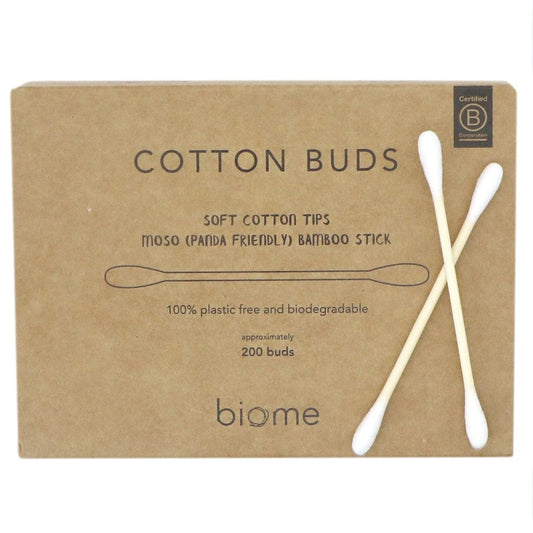
- Choose bamboo cotton buds instead of cotton buds with plastic sticks
- Try shampoo bars, conditioner bars and soap bars instead of plastic bottles
- Choose plastic-free cleaning products such as solid dishwashing bars, soapberries, cleaning concentrates or reusable cleaning tools
- Or, why not try making your own DIY skin care or cleaning products - we have lots of DIY Recipes here
- And, never deal with plastic pegs going brittle and disintegrating again with our stainless steel pegs - with good care they will last generations!
For a broader list of practical swaps, explore our guide to plastic-free swaps.


3Tackle one area at a time
Trying to change every part of your home at once can quickly become overwhelming. Choose one area and start there.
You might begin with:
- Your handbag or work bag
- The lunchbox routine
- The bathroom
- The kitchen bench
- The laundry
- Your weekly grocery shop
Once one area feels easier, move to the next. This approach helps Plastic Free July feel more achievable and makes each new habit more likely to last.
4Place reminders where you will see them
It's one thing having all of these reusable, single use plastic free alternatives on hand, but it's another thing to actually remember to bring them with you! Here are some tips to help you remember when you leave the house:
Try placing reminders in the spots you naturally look before leaving home:
- Create a phone wallpaper reminder
- Keep your reusables near the front door
- Leave a note on your car sun visor
- Put shopping bags back in the car after unpacking groceries
- Keep a spare reusable bag in your handbag or backpack
- Place your coffee cup beside your keys
Small systems make new habits easier to remember.
5Plan before you leave home
A little planning can prevent a lot of single-use plastic.
Before you leave the house, think about where the day might take you. Will you buy a coffee? Pick up groceries? Stop for takeaway? Pack lunch for work or school?
Helpful planning habits include:
- Pack the reusables you are most likely to need
- Plan simple meals for the week, to avoid resorting to last minute takeaway
- Prepare lunches or snacks ahead of time
- Write a shopping list and stick to it
- Choose recipes that use ingredients available loose, in bulk or in lower-waste packaging
Planning ahead does not need to be complicated. Even a quick check before walking out the door can make Plastic Free July easier.
6Consider what you buy and how you buy it
Plastic Free July is a helpful time to pause and look at your buying habits.
Ask yourself:
- Do I really need this item, or is it an impulse purchase?
- Can I use what I already have before buying something new?
- Is there a reusable, refillable or plastic-free alternative?
- Can I buy it loose, in bulk or in lower-waste packaging?
- Will all of it be used, or is some likely to be wasted?
- Can I choose a larger size to reduce overall packaging?
Reducing plastic is not only about swapping products. It is also about buying more thoughtfully and reducing waste before it is created.
7Food shop with less single-use plastic
No matter where you live, there is usually a way to shop with less plastic packaging.
Grocery shopping
Is there a bulk food store near you, or perhaps a local fruit and vegetable shop, bakery or deli?
Even if you do most of your shopping at a supermarket, there are often simple ways to reduce plastic. Use reusable produce bags for fresh fruit and vegetables, ask at the deli whether they'll accept your reusable containers (many do), and look for products packaged in glass, cardboard or tins where possible.
You might also look for opportunities to choose products with less packaging. For example, could you choose the pasta in the cardboard box instead of the soft plastic packet? Does your supermarket offer nuts, grains or dried fruit in bulk?
Buying seasonal fruit and vegetables can also help reduce packaging, as can choosing loose produce instead of pre-packaged options.
For products you buy regularly, a larger pack size may sometimes reduce overall packaging. Pantry staples such as rice, flour and oil are common examples.
Shopping with Biome
Biome has been helping Australians shop with less plastic since 2003.
Across our stores and online range, you'll find practical alternatives for the kitchen, bathroom, laundry and everyday life, including:
- Plastic-free and reusable household essentials
- DIY ingredients for skincare and cleaning
- Low-waste personal care products
- Durable alternatives designed to be reused for years
- Products that are ethically made, palm oil free and carefully sourced
If you shop online, consider supporting businesses that minimise unnecessary packaging. You can always ask how an order will be packed before purchasing.
At Biome, we ship orders using cardboard envelopes and boxes, paper tape and paper stuffing to reduce unnecessary plastic packaging.
Explore our Plastic Free July Ideas collection for practical swaps to support your challenge.


8Plastic Free July with kids and babies
Plastic Free July can be a useful way to help children understand waste in a practical, age-appropriate way. It can also be an opportunity to make simple changes in your child's daily routine.
Start with the habits and products your family already uses:
- Pack snacks in reusable containers
- Use reusable drink bottles
- Choose lunchboxes with separate compartments instead of individually wrapped snacks
- Use reusable cutlery or a cloth napkin
- Choose durable baby feeding products designed to be reused
- Opt for reusable food pouches, bibs or storage containers where practical
- Talk about where rubbish goes after it leaves the bin
If you have a baby or are preparing for a new arrival, our Ultimate Baby Guide explores practical ways to reduce waste, avoid unnecessary plastics and choose reusable essentials for everyday family life.
9Plastic Free July at work
Workdays can create a lot of single-use plastic through takeaway coffee, lunches, snacks and office kitchen supplies.
Try these practical workplace swaps:
- Keep a reusable coffee cup at work
- Bring lunch in a reusable container
- Keep reusable cutlery in your desk drawer
- Use a refillable water bottle
- Suggest reusable plates, mugs or cutlery in the office kitchen
- Choose shared snacks with less packaging where possible
A workplace challenge can also be a positive team activity. Start with one shared goal, such as reducing disposable coffee cups or improving the office kitchen setup.
10Find a local or online community
Having a community of like-minded people around you can make your Plastic Free July journey feel easier, more motivating and a lot more fun.
Plastic Free July now takes place in in more than 150 countries worldwide. Visit the Plastic Free July website to learn more about the global challenge, access resources and find events happening near you.
If you can't find a local event, there are plenty of online communities where you can find inspiration, ideas and support. For those that use Facebook, is there a local zero waste Facebook group you can join? If not, why not start your own?
Biome's Facebook and Instagram are brimming with zero waste, plastic free ideas, and we regularly share inspiring ideas from our community. We also have a range of zero waste, plastic free, low tox and sustainable living books to inspire you.
Common Plastic Free July mistakes to avoid
Plastic Free July is easier when you avoid a few common traps.
Trying to change everything at once
Start with one or two changes. Once those habits feel easier, add another.
Buying everything new
Use what you already own first. A jar, old container, cloth bag or regular mug can still help reduce single-use plastic.
Forgetting to plan ahead
Most single-use plastic appears when you are rushed, hungry or unprepared. Keep a small kit ready so you do not have to remember everything from scratch each day.
Focusing on perfection
Plastic Free July is not about getting everything right. It is about noticing, learning and making better choices where you can.
What to do if you slip up
Forgot your reusable cup? Bought something wrapped in plastic? Ended up with takeaway packaging after a long day?
It happens.
A slip-up does not undo your progress. Notice what happened, adjust your system and keep going. Plastic Free July is most useful when it helps you understand your habits, not when it makes you feel guilty.
Remember that new habits take time, patience and persistence. Every avoided item still counts, and every small change is a step in the right direction.
We're all in this together. When individuals, families and communities make small changes, those actions add up to something much bigger. The collective impact of Plastic Free July shows that progress, not perfection, is what creates lasting change.


Continue your Plastic Free July journey
New to Plastic Free July?
Start with our complete Plastic Free July Australia guide, including beginner tips, challenge ideas, statistics and practical swaps.
Ready for more ideas? Explore these helpful resources:
Plastic Pollution Statistics Australia
Learn more about plastic waste, pollution and why reduction matters.
Plastic-Free Wardrobe Guide
Explore natural fibres, clothing choices and microplastic reduction.
Shop Plastic Free July Ideas
Browse practical swaps to support your Plastic Free July challenge.
Plastic Free July FAQs
What is Plastic Free July?
Plastic Free July is a global movement that encourages people to reduce single-use plastic throughout July. The challenge began in Western Australia and now involves people, households, schools, workplaces and communities around the world.
How do I start Plastic Free July?
Start by noticing the single-use plastics you use most often. Choose one or two simple swaps, such as a reusable water bottle, coffee cup, shopping bag or food container, then build from there.
Do I need to buy new products to participate?
No. Use what you already have first. Reusing jars, containers, bags and cups you already own is a great way to reduce waste without buying anything new.
What are the easiest Plastic Free July swaps?
The easiest swaps are usually the items you use every day. Reusable shopping bags, water bottles, coffee cups, food containers, produce bags and plastic-free personal care products are a good place to start.
Can families do Plastic Free July?
Yes. Families can start with simple routines such as lunchboxes, drink bottles, snack containers, grocery shopping and reducing packaged snacks.
How can I do Plastic Free July at work?
Keep a reusable cup, water bottle, lunch container and cutlery at work. You can also encourage reusable mugs, plates and cutlery in the office kitchen.
What if I use plastic during Plastic Free July?
Keep going. Plastic Free July is about progress, not perfection. Each plastic item avoided is still a positive step.