




Whether you have just moved into a home with a septic tank or you have had one for years, there is one question that tends to follow you around the cleaning aisle: can I actually use this?
The reassuring answer is that you do not need to worry about every load of washing or start making every cleaner yourself. You simply need products that clean effectively without placing an unnecessary load on your system. Here is what septic safe really means, what to be careful with and the practical laundry and bathroom options available at Biome.
Quick answer: What laundry detergent and bathroom cleaners are septic safe?
What is a septic system, and what does septic safe mean?
A septic system treats your household wastewater at your property rather than sending it through the mains sewerage system. Water from your toilets, sinks, showers and laundry flows into a tank, where solids settle and naturally occurring bacteria help break down waste. The treated wastewater then moves through the rest of the system for further treatment or dispersal.
Because the system relies on this biological process, what goes down your drains matters. Large or repeated amounts of harsh chemicals can interfere with the bacteria, while grease, excess solids and unsuitable materials may contribute to buildup or blockages.
A septic-safe cleaning product is one that is suitable for use with a septic system in normal household amounts when used according to the directions. It should clean effectively without placing an unnecessary chemical or solid load on the system.
When choosing a laundry or bathroom product, look for:
- A clear septic-safe statement on the label or product page
- Biodegradable ingredients
- Low or no phosphorus
- No chlorine bleach for regular cleaning
- A low-sudsing formula suitable for your washing machine
- Clear dosing instructions
Septic safe and greywater safe are not the same thing. Septic safety relates to your wastewater treatment system. Greywater safety relates to whether water from places such as your shower or laundry is suitable for collection and reuse, often in the garden. A product can be septic safe but not greywater safe, so check both if your home reuses greywater.
Does your household reuse water on the garden? Read which laundry and cleaning products are greywater safe in Australia.
What laundry detergent is safe for septic systems in Australia?
Having a septic system does not lock you into one type of laundry detergent. You can still choose a liquid, powder or soap berries. The important part is checking the individual product and using the measured amount, rather than assuming every “natural” detergent will be suitable.

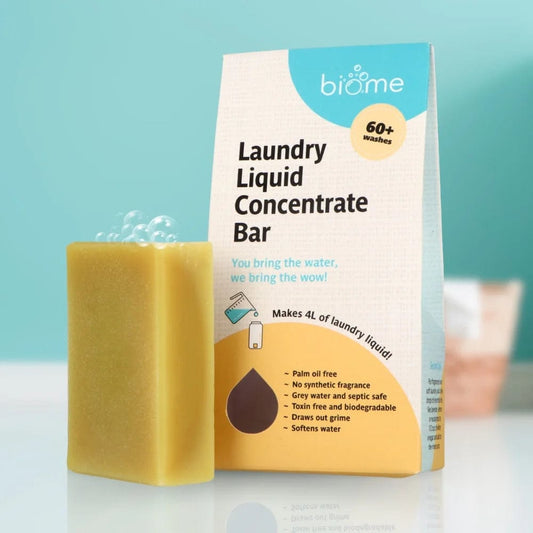
Biome Laundry Liquid Concentrate Bar
Plastic-free everyday liquid. One bar makes up to four litres of biodegradable, septic-safe detergent. Also available unscented.

Euclove Natural Laundry Detergent
Ready-made concentrated liquid. Suitable for septic and greywater systems, hot or cold washes and front or top loaders.

Resparkle Natural Laundry Powder
For those who prefer a powder. Australian made, septic-tank safe and suitable for front and top loaders.

Organic soap berries
Reusable and compostable. Septic and greywater safe, with shells that can be reused for several loads.
Explore natural laundry detergents at Biome →
Wool dryer balls do not go into the wash water, but they are another useful laundry swap. They help reduce drying time and static without dryer sheets.
What can you use for stains with a septic tank?
A septic-safe laundry routine does not mean you have to ignore stained school clothes, towels or grubby gardening clothes. Pretreating the stain can be more effective than adding extra detergent to the entire load and sends less cleaning product into your system.
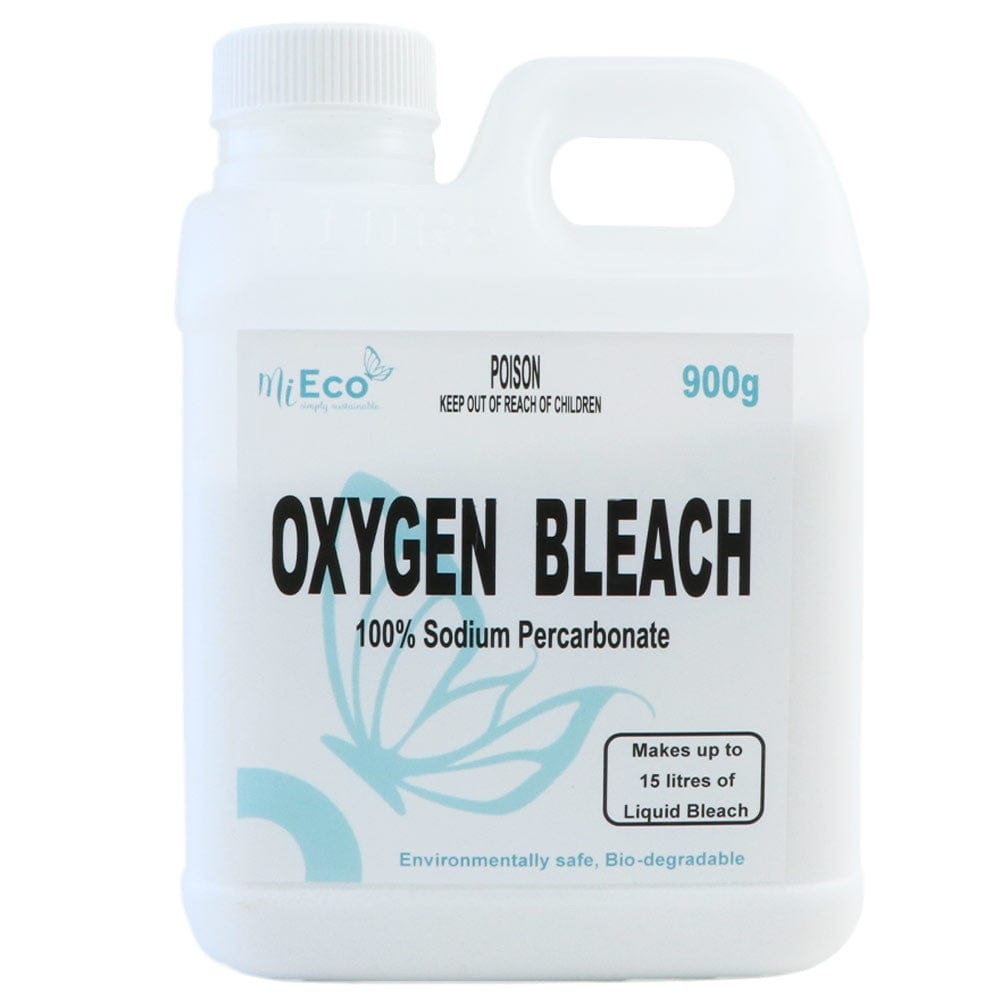
Naturally Better Oxygen Bleach
100% sodium percarbonate to lift stains and brighten washable fabrics without chlorine bleach.
Septic safe, but not greywater safe because of its salt content. Do not use on silk or wool.

Downunder Wash Co Stain Remover Bar
A septic-safe bar to rub directly onto stains before washing. Choose fragrance free or Sweet Orange.

Downunder Wash Co Stain Remover Powder
A fragrance-free, septic-safe powder that can be mixed as a spray, used as a soaker or applied directly as instructed.
Explore natural stain removers at Biome →
Which bathroom and toilet cleaners are septic safe?
Bathroom cleaner is rinsed down the drain, while toilet cleaner goes straight into your wastewater system. This is where checking the exact product really matters. These options are all confirmed as septic safe when used as directed.

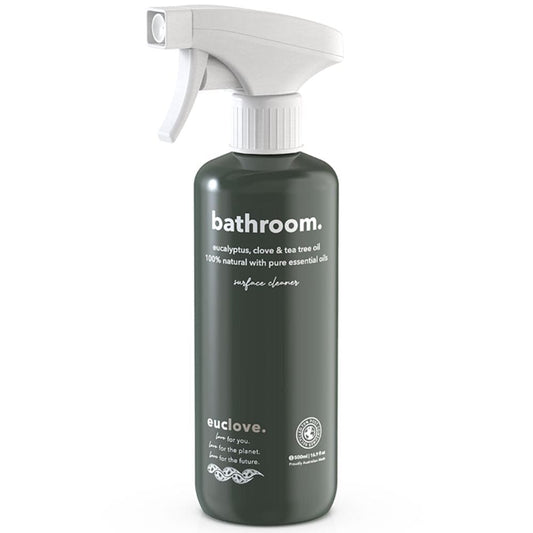
Euclove Bathroom Cleaner
For soap scum, grime and mould-prone surfaces. Euclove confirms it is safe for modern septic and greywater systems. Also available as a one-litre refill.

Euclove Toilet Cleaner
Septic and greywater safe, without chlorine bleach, phenols or synthetic fragrance. Choose the spray or gel cleaner.

Lil’ Bit Toilet Cleaning Tablets
Australian-made, septic-safe tablets that gently fizz to help clean grime and light scale buildup.

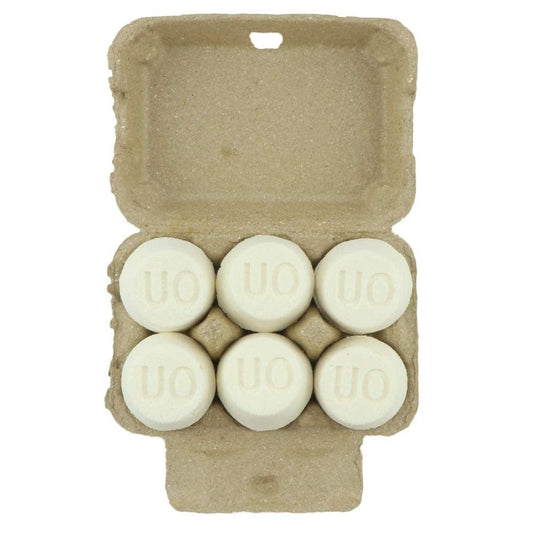
Urthly Organics Toilet Bombs
Septic-tank safe and made in Victoria from bicarb soda, citric acid and essential oils.

Lil’ Bit Cream Cleaner
A septic-safe Castile soap cleaner for scrubbing showers, toilets, stainless steel and other hard surfaces.

Euclove Glass and Mirror Cleaner
A biodegradable, septic-safe spray for mirrors, shower glass and other reflective surfaces.
Explore bathroom cleaning products at Biome →
What cleaning products should you avoid with a septic tank?
You do not need to panic if a small amount of conventional cleaner has already gone down the drain. The bigger concern is repeatedly sending concentrated or unsuitable substances into the tank.
Be particularly careful with:
- Large or frequent doses of chlorine bleach
- Strong drain and oven cleaners
- Concentrated disinfectants and antibacterial chemicals
- Products with high phosphorus levels
- Paint, solvents, pesticides and unwanted medicines
- Fats, oils and grease
Are natural cleaning products always septic safe?
No. “Natural”, “eco-friendly”, “biodegradable” and “septic safe” do not all mean the same thing. A product may contain natural ingredients or break down in the environment but still be unsuitable for your septic system.
The amount and concentration matter too. For example, a small quantity of essential oil may be suitable within a properly formulated septic-safe cleaner, but undiluted essential oil should not be poured down the drain.
Check the exact product for a septic-safe statement and always use the recommended amount.
Tips for keeping your septic system healthy
Busy cleaning days can mean extra loads of towels, bedding and cleaning cloths, along with more water entering your septic system than usual. A few simple habits can help:
- Choose products labelled septic safe and follow the directions.
- Natural and biodegradable cleaners can be excellent choices when used as directed.
- Spread laundry across several days rather than washing everything at once.
- Measure detergent carefully instead of pouring it by eye.
- Pretreat individual stains rather than adding extra detergent to the whole load.
- Keep unused concentrates, fats, oils, paint, solvents and medicines out of sinks and toilets.
If you have an aerated wastewater treatment system, a greywater reuse system or another specialised setup, check its operating instructions or ask your service technician before changing products.
Looking for septic-safe cleaning products?
From everyday laundry detergent and compostable soap berries to stain treatments and toilet cleaners, Biome has practical options that are clearly labelled for use with septic systems.
Frequently asked questions
What is the safest cleaner to use with a septic system?
Choose a cleaner specifically labelled septic safe and use the recommended amount. If your system has its own operating instructions, follow those too.
What is the worst thing for a septic tank?
Large amounts of chlorine bleach, solvents, paint, pesticides, drain cleaners, oils and grease can cause problems. Wipes and sanitary products may also block the system because they do not readily break down.
Can you use bleach if you have a septic tank?
It is best to minimise chlorine bleach rather than making it part of your regular routine. Follow the directions for both the cleaner and your septic system.
Is oxygen bleach safe for septic tanks?
Biome’s Naturally Better Oxygen Bleach is labelled septic-tank safe when used as directed. It is not greywater safe because of its salt content.
Are laundry liquids better than powders for septic tanks?
Not automatically. Septic-safe options are available in both formats. Check the individual formula and measure it correctly.
Can I use vinegar and bicarb soda with a septic tank?
They are commonly used in normal household cleaning quantities. Never mix vinegar with chlorine bleach.
Are essential oils safe for septic systems?
Small amounts in a properly formulated septic-safe product can be suitable when used as directed. Do not pour concentrated essential oils into the drain.
Can I make my own septic-safe laundry detergent?
You can make laundry products at home, but homemade does not automatically mean septic safe. The ingredients and dose still need to suit your system.
Related reads
How to Use Soap Berries for Laundry and Cleaning
Do Soap Berries Really Work for Laundry?
Why Oxygen Bleach Is Better Than Chlorine Bleach and How to Use It
which laundry and cleaning products are greywater safe in Australia?