





Originally published in April 2022. Last updated June 2026 with new information.

Quick answer: Plastic pollution remains one of Australia's biggest environmental challenges. Australians consumed around 4 million tonnes of plastic products and packaging in 2023–24, while millions of tonnes of plastic waste continue to move through landfill, recycling systems and the environment. These plastic pollution statistics explain the scale of the issue, why plastic waste matters and what households can do to help reduce it.
By Tracey Bailey, Founder of Biome
Tracey founded Biome in 2003 after discovering how difficult it was to find practical alternatives to disposable plastics and unnecessary waste. Biome was founded on a simple idea: if practical alternatives to disposable plastics were easier to find, more people would choose them. For more than 20 years, she has helped Australians reduce plastic waste through education, advocacy and carefully selected reusable, plastic-free and low-waste products.
Plastic pollution in Australia: key statistics
- Australians consumed approximately 4 million tonnes of plastic products and packaging in 2023–24.
- Around 3.2 million tonnes of plastic reached end-of-life in Australia in 2023–24.
- Australia recovered 446,000 tonnes of plastic products and packaging in 2023–24.
- Only around 14% of plastic waste is recovered.
- Up to 145,000 tonnes of plastic enters the Australian environment each year.
- CSIRO research has found that around three-quarters of rubbish along the Australian coast is plastic.
Sources: Australian Plastics Flows and Fates Reporting 2023–24, WWF Australia and CSIRO.
Did you know?
A plastic bottle can take around 450 years to break down, and even then it may not disappear completely. Instead, it often breaks into smaller fragments known as microplastics.
Plastic pollution is no longer just a waste problem. Plastic has been found on remote beaches, in oceans, rivers, soil, wildlife and even human tissues.
Australia generates millions of tonnes of plastic waste every year, yet only a small proportion is recovered. Understanding the scale of the problem can help explain why reducing plastic waste remains one of the most effective environmental actions households can take.
Plastic pollution statistics: the facts you need to know
Australians consumed around 4 million tonnes of plastic in 2023–24
Australia's plastic use is still high. In 2023–24, Australians consumed approximately 4 million tonnes of plastic products and packaging.
This includes plastic used in packaging, household products, building materials, textiles, agriculture, transport and other parts of daily life. Not all plastic is single-use, but single-use packaging remains one of the most visible and avoidable forms of plastic waste.
What can you do? Start with plastic items you use regularly. Reusable shopping bags, reusable produce bags, reusable food containers, reusable coffee cup and reusable water bottle are simple swaps that can reduce reliance on disposable packaging.
Australia generated around 3.2 million tonnes of plastic waste in 2023–24
Plastic waste is created when plastic products and packaging reach the end of their useful life. In Australia, around 3.2 million tonnes of plastic reached end-of-life in 2023–24.
Some of this plastic is recovered for recycling or energy recovery, but a large amount is still sent to landfill or lost from the circular economy.
What can you do? Before buying something new, ask whether you already have something that can do the job. Choosing durable, reusable products can help reduce how often plastic items need to be replaced.
Only around 14% of plastic waste is recovered
Australia's plastic recovery rate remains low. The latest reporting shows that 446,000 tonnes of plastic products and packaging were recovered in 2023–24, including recycling and energy recovery.
Most plastic still does not return to productive use after it is discarded.
What can you do? Choose reusables first, then recycle correctly where recycling is available. Avoid wish-cycling, as placing non-recyclable plastics in the recycling bin can contaminate the recycling stream.

Up to 145,000 tonnes of plastic enters the Australian environment each year
Plastic waste does not always stay in bins or landfill. Up to 145,000 tonnes of plastic enters the Australian environment each year, including waterways, beaches, bushland and oceans.
Once plastic is in the environment, it can be difficult or impossible to recover. Lightweight plastic packaging, soft plastics, bottles, lids, cigarette butts, fishing gear and food wrappers can travel long distances through wind, stormwater drains and waterways.
What can you do? Secure rubbish properly, avoid litter, choose reusable items when eating or drinking away from home, and reduce lightweight single-use plastics that can easily blow into the environment.
Plastic pollution affects marine wildlife
Plastic pollution can harm wildlife through ingestion, entanglement and habitat contamination.
The United Nations has reported that plastic pollution kills large numbers of seabirds, marine mammals, turtles and fish every year through ingestion and entanglement.
Marine animals may mistake plastic for food or become trapped in plastic waste such as fishing line, packaging straps, bags and other debris. Smaller plastic pieces can also move through food chains and ecosystems.
What can you do? Reduce single-use plastic wherever possible, choose reusable alternatives for food and drink on the go, and avoid products likely to shed small plastic pieces into the environment.
Around three-quarters of rubbish on Australian coastlines is plastic
CSIRO research has found that approximately three-quarters of rubbish along the Australian coast is plastic.
This matters because plastic pollution affects beaches, waterways, marine ecosystems and coastal wildlife. CSIRO has also found that most plastic debris on Australian coastlines comes from Australian sources, which means local action can make a real difference.
This reflects a global pattern. International studies have found that plastic makes up a significant proportion of beach litter worldwide, including bottles, bottle caps, food wrappers, cigarette filters, straws and plastic bags.
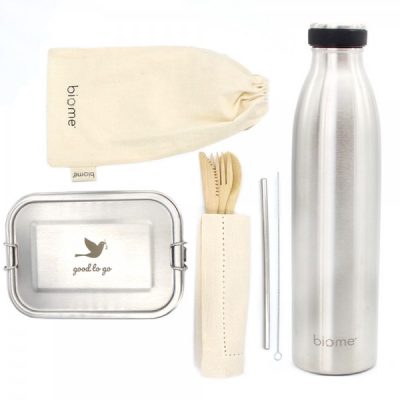
What can you do? Carry a small reusables kit when you leave home. A reusable container, cutlery, napkin, water bottle and coffee cup can help reduce takeaway packaging and disposable items.
Plastic can take decades or centuries to break down
Plastic is designed to last. While exact timelines vary depending on the material and environmental conditions, many common plastics can remain in the environment for decades or centuries.
A plastic bottle is commonly estimated to take around 450 years to break down. Plastic bags, fishing line and other plastic products may persist for even longer.
Unlike food scraps or natural materials, plastic does not usually disappear completely. Instead, it gradually fragments into smaller and smaller pieces known as microplastics.
These microplastics can spread through waterways, soil and oceans, making plastic pollution difficult to remove once it enters the environment.
What can you do? Avoid unnecessary single-use plastics where possible. Swapping cling wrap, zip lock bags, disposable cups, plastic straws and plastic cutlery for reusable alternatives can reduce the amount of plastic entering waste systems in the first place.
Plastic pollution has reached every ocean on Earth
The scale of plastic production helps explain why ocean pollution continues to grow. Researchers estimate that more than 8.3 billion tonnes of plastic had been produced globally by 2015, with only a small proportion recycled. Much of the remainder has been sent to landfill, incinerated or lost to the environment.
Scientists estimate there are trillions of pieces of plastic floating in the world's oceans, ranging from large items such as bottles, fishing gear and food packaging to tiny microplastic particles.
Much of the plastic in the ocean is not visible from the surface. It can sink to the seabed, accumulate on coastlines or break into microscopic fragments that spread throughout marine ecosystems.
Plastic pollution does not only come from bottles, bags and packaging. Synthetic fabrics such as polyester, nylon and acrylic are plastic-based and can shed tiny fibres during washing. Research has found that a single 6kg load of laundry can release hundreds of thousands of microfibres into wastewater systems, which may eventually reach rivers, coastlines and oceans.
A widely cited forecast from the World Economic Forum suggests that, without significant action, the total weight of plastic in the ocean could exceed the total weight of fish by 2050.
This is one of the reasons reducing plastic waste at the source remains so important.
What can you do? Choose natural fibres where practical, wash synthetic clothes less often when appropriate, use a microfibre-catching laundry bag or filter, and reduce single-use plastics that can enter waterways and oceans.


Plastic pollution is raising concerns about human health
Plastic pollution is often discussed as an environmental issue, but researchers are also investigating what plastic exposure may mean for human health.
As larger plastic items break down, they can form microplastics and nanoplastics. These tiny particles have been detected in air, drinking water, food, oceans, soil and human tissues.
Scientists are still working to understand the full health implications of long-term exposure. However, some plastics and plastic additives have attracted attention because they can contain substances such as BPA, phthalates and PFAS, which have been studied for their potential effects on hormones and other biological systems.
Some of these substances are being studied because they may interfere with hormone signalling in the body and are sometimes referred to as endocrine-disrupting chemicals.
While research is ongoing, reducing unnecessary plastic use can help lower plastic waste in the environment and also reduce personal exposure to plastic-related chemicals.
Did you know?
Scientists have detected microplastics in human blood, lungs, placentas, breast milk and other human tissues. Research is ongoing, but these findings highlight how widespread plastic pollution has become.
What can you do? Choose reusable stainless steel or glass drink bottles and food containers, avoid heating food in plastic containers where possible, choose natural fibre clothing and home textiles when practical, and reduce reliance on single-use plastic packaging.
Why recycling alone cannot solve plastic pollution
Recycling is important, but it cannot solve plastic pollution on its own.
Australia's plastic recovery rate remains relatively low, and many plastic products are difficult or impossible to recycle through existing systems. Soft plastics, mixed-material packaging, disposable coffee cups and contaminated items can be especially difficult to recover.
Much of this waste is created long before consumers have a choice. Food packaging remains one of the largest sources of household plastic waste, highlighting the need to reduce packaging at the source as well as improve recycling systems.
Read: Why supermarkets must take responsibility for plastic packaging waste.
Reducing unnecessary plastic use, choosing reusable alternatives and designing products for durability are often more effective ways to reduce plastic waste before it is created.
What can you do? Think of recycling as the last step, not the first solution. Refuse what you do not need, reuse what you already own, choose durable products, and recycle correctly when plastic cannot be avoided.
How do I reduce plastic waste at home?
The statistics are serious, but reducing plastic waste does not have to be overwhelming. The biggest impact often comes from replacing the items you use most frequently.
Disposable drink containers remain a major source of waste. Globally, hundreds of billions of disposable cups are used each year, and many contain plastic linings that make recycling difficult. Carrying a reusable cup and water bottle is one of the simplest ways to reduce single-use waste.
Household changes can feel small, but repeated every day, they reduce demand for disposable products and help create better habits. When these changes are adopted widely, the impact can be significant.
What can you do? Start with one or two swaps and build from there.
- Carry reusable shopping bags
- Use reusable produce bags for fruit and vegetables
- Choose reusable food wraps instead of cling wrap
- Pack lunches in reusable food containers
- Carry a reusable water bottle
- Bring a reusable coffee cup
- Choose plastic-free cleaning products where practical
- Swap bottled personal care for bars, refills or plastic-free alternatives
- Choose stainless steel or glass food storage where practical
- Buy less, reuse more and choose durable products designed to last
For more ideas, explore our complete guide to plastic-free swaps.
Best plastic-free swaps to start with
- Best everyday swap: reusable water bottle
- Best kitchen swap: reusable food wraps or containers
- Best takeaway swap: reusable cup and cutlery kit
- Best laundry swap: microfibre-catching laundry bag

Continue your Plastic Free July journey
Ready to reduce plastic waste?
Start with our complete Plastic Free July Australia guide, including beginner tips, challenge ideas, statistics and practical swaps.
Looking for more ideas? Explore these helpful resources:
How to Succeed at Plastic Free July
Practical tips to help your Plastic Free July changes stick.
Plastic-Free Wardrobe Guide
Explore natural fibres, clothing choices and microplastic reduction.
Shop Plastic Free July Ideas
Browse practical swaps to support your plastic-free journey.
Plastic pollution FAQs
What is plastic pollution?
Plastic pollution occurs when plastic waste enters the environment, including land, waterways, beaches and oceans. It can include large plastic items, such as bottles and bags, as well as smaller fragments and microplastics.
How much plastic waste does Australia produce?
In 2023–24, around 3.2 million tonnes of plastic reached end-of-life in Australia. This includes plastic products and packaging that had finished their useful life.
What percentage of plastic is recycled in Australia?
Australia's plastic recovery rate remains low, with only around 14% of plastic waste recovered. Recovery includes recycling and energy recovery.
How much plastic enters the Australian environment each year?
Up to 145,000 tonnes of plastic enters the Australian environment each year, according to WWF Australia.
How long does plastic take to break down?
Breakdown times vary depending on the type of plastic and the environment. A plastic bottle is commonly estimated to take around 450 years to break down, while other plastic items may persist for decades or centuries.
How much plastic is in the ocean?
Scientists estimate there are trillions of pieces of plastic in the world's oceans. Plastic pollution includes large items such as bottles and fishing gear, synthetic clothing fibres, and tiny microplastic particles that can spread through marine ecosystems.
What are microplastics?
Microplastics are very small plastic particles. They can form when larger plastic items break down, or they can come from sources such as synthetic textiles, tyres and industrial materials.
Are microplastics found in the human body?
Yes. Researchers have detected microplastics in human blood, lungs, placentas, breast milk and other human tissues. Scientists are still investigating what this means for long-term human health.
Can plastic affect human health?
Researchers are still investigating the long-term health effects of microplastics and plastic-related chemicals. Microplastics have been detected in human tissues, and some plastic additives, including BPA and phthalates, have been studied for their potential effects on hormones and other biological systems.
Why is plastic pollution harmful to marine life?
Plastic pollution can harm marine life through ingestion, entanglement and habitat contamination. Animals may mistake plastic for food or become trapped in plastic debris.
Is recycling enough to solve plastic pollution?
Recycling is important, but it cannot solve plastic pollution on its own. Reducing unnecessary plastic use, choosing reusable alternatives and designing products to last can help reduce plastic waste before it is created.
What are the easiest ways to reduce plastic waste at home?
Start with everyday single-use items. Reusable shopping bags, produce bags, food containers, water bottles, coffee cups, food wraps and plastic-free personal care products are practical places to begin.
Sources
- Australian Government Department of Climate Change, Energy, the Environment and Water: Australian Plastics Flows and Fates Reporting
- Australian Plastics Flows and Fates Database 2023–24
- WWF Australia: Plastic Pollution
- WWF Australia: The Life Cycle of Plastics
- CSIRO: Marine Pollution, Sources, Distribution and Fate
- Australian Government: Plastics in our Oceans and Waterways
- WA Health: Micro-plastics and Public Health
- Endocrine Society: Plastics and Human Health
- Journal of Global Health: Detection of Microplastics in Human Tissues and Organs