





Planning an Easter camping trip in Australia? This eco-friendly camping checklist will help you pack sustainably for the long weekend.


Scroll to the end to download your Nature-Friendly Camping & Hiking Checklist
The Easter long weekend is the perfect chance to unplug and immerse yourself in the great outdoors. With cooler weather and a four-day break, many Australians take the opportunity to go bush, hit the coast, or escape to the mountains.
To help you prepare, we’ve created this Easter camping checklist featuring our favourite sustainable camping gear and tips on what to pack for exploring nature without the waste and polluting chemicals.
However you plan to enjoy the great outdoors—camping, hiking, beach or picnic—these eco-friendly alternatives will help you tread lightly while having a great time.
🏕️ Eco-Friendly Camping Checklist
1. Reusable Water Bottle or Hydration Pack
Hydration is key when you're spending time in nature. Instead of disposable plastic, take a reusable stainless steel bottle like the Klean Kanteen or EcoVessel, or upgrade to a filtered bottle for clean water wherever you wander.
Insulated water bottle - even without a fridge keeps water cooler
Large water bottle - when you can't fill up as often
Water filter bottle - Lifestraw lets you filter water from creeks.
If you’re travelling somewhere without reliable drinking water, a filter bottle can help. See our guide: How to Avoid Disposable Plastic Water Bottles When Travelling or see our Comprehensive Guide to Water Filtration choices at Biome.
2. Zero Waste Toiletries
Lightweight and mess-free, solid toiletries are perfect for packing and keeping plastic out of waterways:
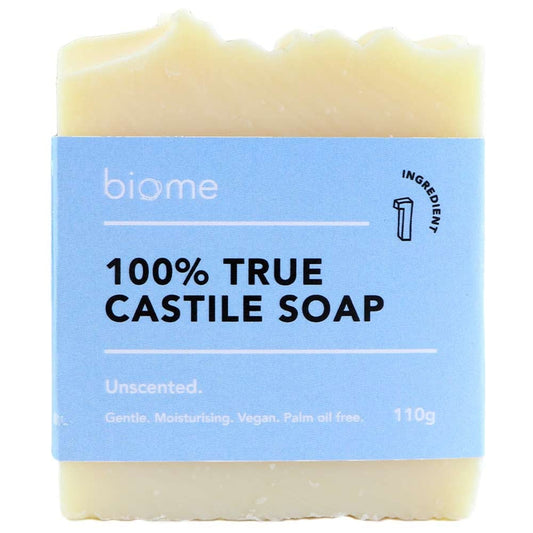
- Soap bar for body
- Natural shampoo bar
- Toothpaste tablets
- GoToob - refillable bottles for liquid shampoo & conditioner
Don't forget all your other personal care:
First Aid Kit
- Patch bamboo bandages
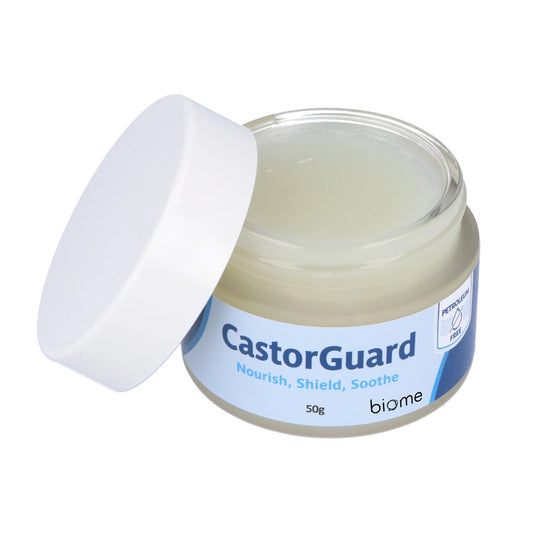
- CastorGuard - for protection, scratches
- Medication / necessities
3. Plastic-Free Camp Cleaning Kit
Make campsite cleanup easy and cleans dishes effectively without chemicals that pollute the nature around you.
- Dishwash Block
- Dish scrubbing brush
- Organic cotton tea towel
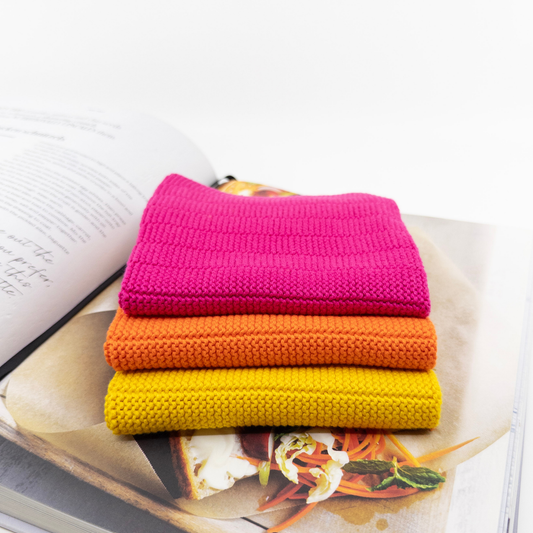
- Swedish dish cloth
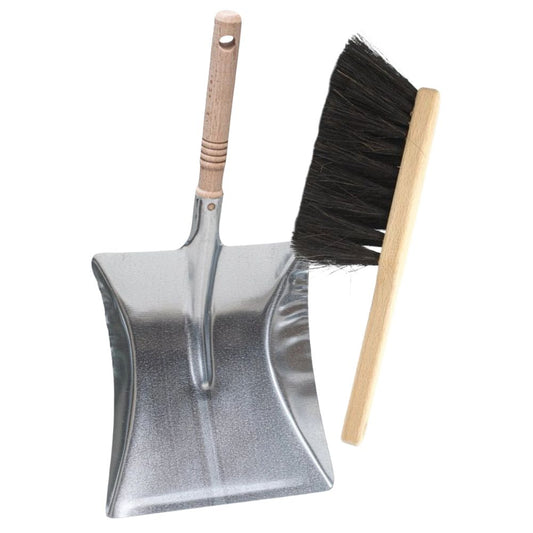
- Metal dustpan & plastic free dust brush
These biodegradable and compostable tools let you leave no trace.
Tip: For super minimal packing, our multi-purpose castile soap bar can clean everything from hands to pans.
4. Reusable Food Storage
Keep food fresh without plastic waste. Reusable, safe, and campsite-ready.
Tip: Pack meals ahead in containers you can reuse throughout the trip.
5. Camp Kitchen Basics
Cut down on waste and pack items that can be reused again and again. Keeping your campsite clean helps protect the environment for everyone.
- Reusable plates, cutlery
- Stainless steel drinking cups
- Insulated coffee mug - keep your brew hot with a Fressko
- Wire pegs - handy for many uses around your campsite
- Solidteknics - campfire safe pan without Teflon
Reusable bread bag - bring a fresh plastic-free loaf from the bakery
- Wooden cutting board
- Mini compost bin to bring scraps home
6. Fire & Eco-Friendly Lighting
Sustainable light sources are a must for campsite safety and atmosphere:
- Solar-powered lanterns or fairy lights
- Beeswax candles – cosy glow without fumes
- Rechargeable head lamp
- Lumiz solar lanterns
Avoid disposable batteries — rechargeable or solar are best! And here's a guide to starting a fire without matches.
Extra Ideas!
- Plastic free Easter treats
- Wool socks - Australian made Mongrel socks for cooler nights over Easter!
- Screen free games
- Opinel pocket knife
- Camping & hiking guide books
Planning your Easter camping trip? Use our printable eco-friendly camping checklist below to make packing easier. Many of the reusable essentials mentioned — from water bottles to camp kitchen gear — are available in our
👉 sustainable camping and travel range.

Download a print friendly version of our
Nature-Friendly Camping & Hiking Checklist
FAQs
What should you pack for a camping trip in Australia?
A good camping packing list usually includes hydration, food storage, toiletries, cooking gear, lighting and safety essentials. Reusable items such as stainless steel water bottles, beeswax wraps, solid toiletries and rechargeable lighting help reduce waste while making your camping setup more practical and sustainable.
How can I camp sustainably in Australia?
Sustainable camping focuses on reducing waste and protecting natural environments. Choosing reusable water bottles, plastic-free toiletries, biodegradable cleaning products and reusable food storage can significantly reduce the environmental impact of your camping trip.
What toiletries should you take camping?
Many campers prefer lightweight, low-waste toiletries such as soap bars, shampoo bars, toothpaste tablets and refillable bottles. These options reduce plastic packaging and are easier to pack than bulky liquid products.
How do you wash dishes while camping without harming the environment?
Use biodegradable soaps and wash dishes away from natural waterways. Solid dish soaps, reusable cloths and coconut scrubbers are popular camping options because they clean effectively while minimising environmental impact.
How do you keep food fresh while camping?
Packing food in reusable containers, beeswax wraps or silicone storage bags helps keep food fresh in an esky while reducing disposable plastic. Preparing meals ahead of time and separating wet and dry foods can also make campsite cooking easier.
How do you get clean drinking water while camping?
If safe drinking water isn’t available, a portable water filter bottle can help remove bacteria and improve taste. These bottles allow you to filter water from taps, streams or creeks while avoiding disposable plastic bottles.
What lighting is best for camping?
Rechargeable or solar-powered lighting is often the most practical option for camping. Solar lanterns, rechargeable headlamps and beeswax candles provide reliable light while reducing the need for disposable batteries.
How can I reduce plastic waste when camping?
Bring reusable items wherever possible — water bottles, food containers, beeswax wraps, cloths and solid toiletries. Planning meals ahead and packing reusable storage can significantly reduce the amount of waste generated during a camping trip.
Related reads
The Secret to Stylish Solar Lighting That Actually Works
A Comprehensive Guide To Water Filtration Products
Choosing a water bottle for travelling
How to Start a Fire Without Matches or a Lighter
Minimal Impact Camping Facts & Tips