






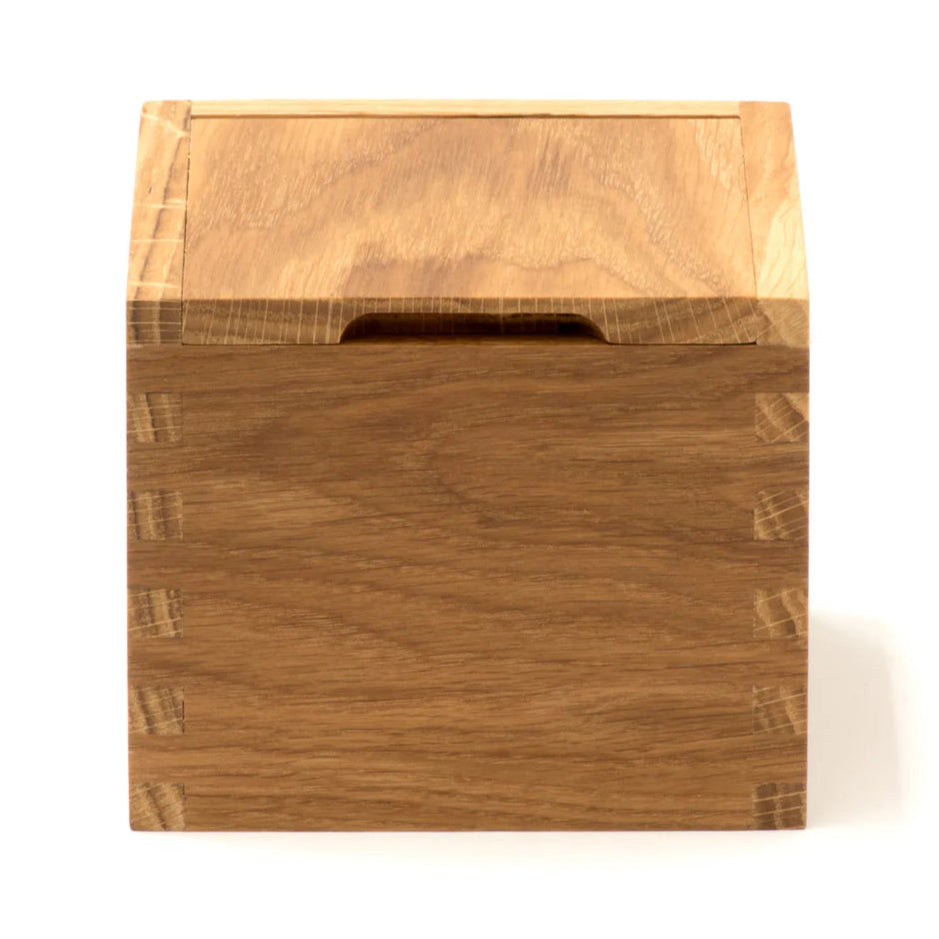
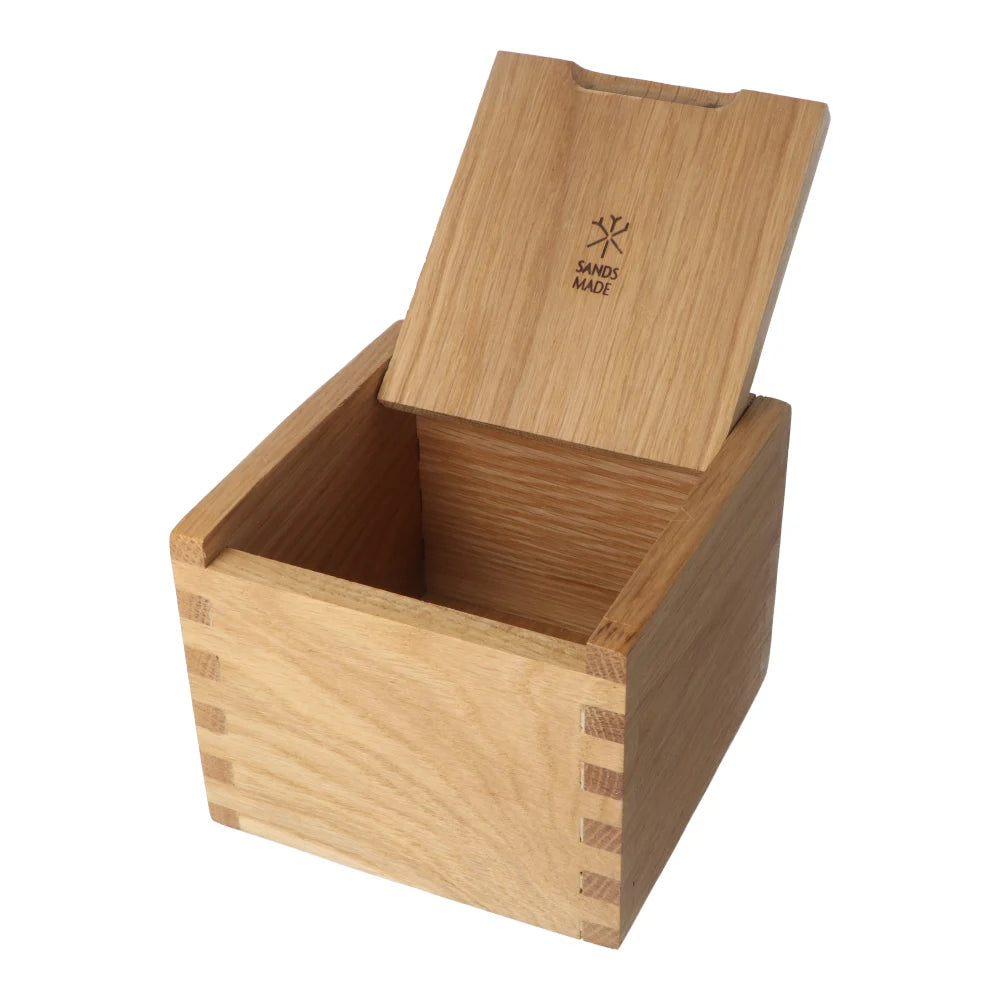
Wooden Kitchen Salt Box Large - White Oak
PLEASE NOTE: This product will be available from the 23rd of October
Couldn't load pickup availability
*Same day shipping available on in-stock items ordered before 2pm AEST, Tuesday to Friday (excl. public holidays) and by 8am on Mondays. Australian standard delivery for orders under 3kg.
Features
Features
Expertly handmade in Australia and Hong Kong, plastic free, and built to last.
Originally designed as a salt cellar, the Kitchen Box can also hold
- Coffee
- Tea
- Herbs
- Sugar
- Spices
- Recipe cards
Finished with food grade linseed oil, orange oil, beeswax and natural rosin.
Reoil with food safe natural oil to restore natural glow.
With use and care, the box with develop a unique lustre and character.
Shop Plastic free cookware & utensils | Wooden cutting boards
Ingredients
Ingredients
White Oak, Linseed & Orange Oil, Rosin, Beeswax
Dimensions
Dimensions
Care & Use
Care & Use
Rough Timber Boards & How to Fix Them
One of the most common questions we're asked by new cutting board & cheese paddle owners is: "Why has my new timber cutting board roughened after its first wash"? Surface roughening of a new timber board is completely normal and thankfully, restoring the original smooth surface is a simple process requiring no special materials or tools.
So what's causing the roughness? The final production step before we oil a wooden cheese paddle or timber cutting board is to sand the surface with a very fine grade sandpaper. When sanding, small flakes of sanded timber are rolled into the open pores of the timber, this is especially pronounced when finishing a very porous timber such as white oak and even more pronounced with the lighter sapwood parts of the tree.

This new board has a completely smooth new surface, note the dark colour of the timber indicating it's been well oiled.
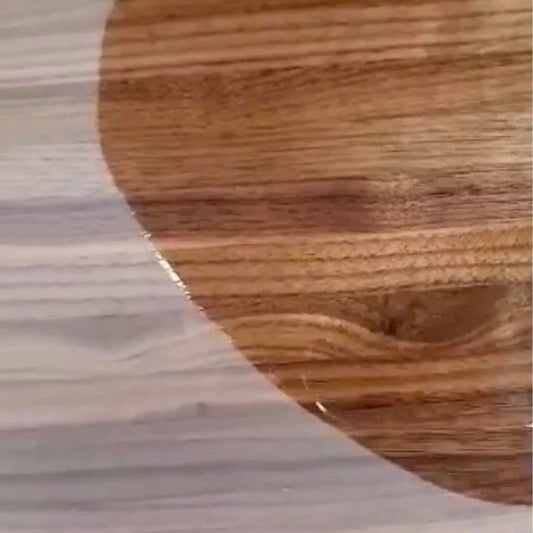
When a new board is first washed the water expands and swells the small rolled up flakes of timber, lifting them out of the pores and causing the initial roughness. These detached timber flakes will typically wash off the board with the first couple of washes, leaving the pores of the board mostly bare. The open pores of the timber are the cause of any residual roughness.

This newly washed board shows lighter areas which need oiling and timber flakes lifting from the surface, typical of a new board.
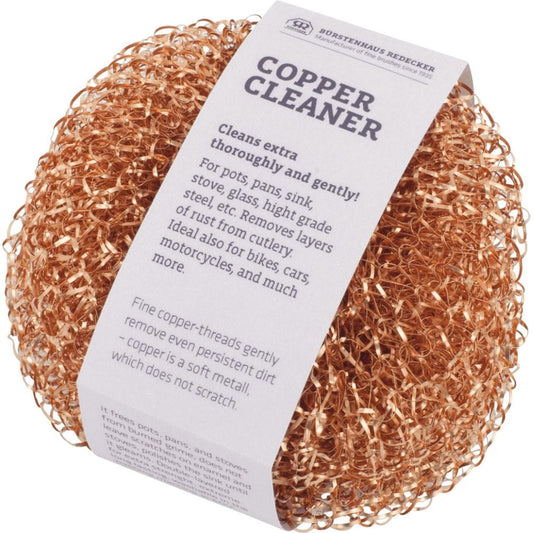
So how do we fix it? A new board should be washed with warm to hot water and a kitchen scourer, salt can also be added to help with the scrubbing. Scrub in the direction of the grain until the surface starts to roughen. Any loose flakes of timber can be rinsed off then rub dry and allow the board to air.
All naturally finished timber boards will require oiling to maintain a healthy surface. Dry, un-oiled timber is more susceptible to damage and is not as attractive (think driftwood at the beach, or an old weatherboard house). We recommend one of the following oils to treat your board:
- Walnut Oil
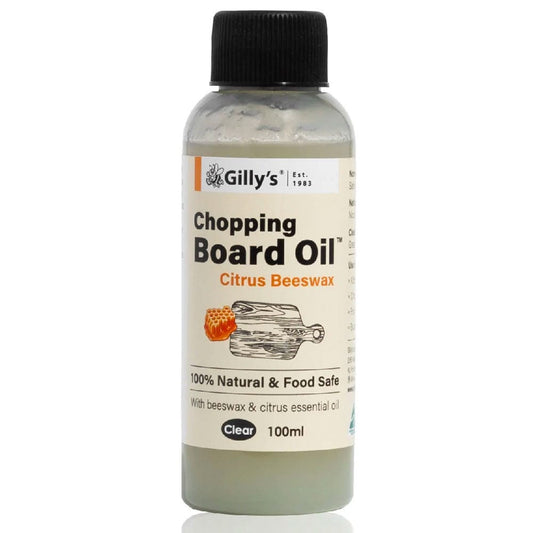
- Gilly's Orange Oil
- Tung Oil
- Linseed oil
Apply the oil liberally to all sides of the board and rub in with a cloth. Allow the oil to soak in for 10-20 minutes, then wipe clean. Some oils, such as tung oil and linseed oil will require a curing time of 12-24 hours.
Sands Made give all their cutting boards and cheese paddles a healthy soak in oil before they leave the workshop, however, it takes a few months to build up a good base of oil in a cutting board. Our general rule of thumb for board oiling frequency is:
| 1 - 2 Months old | → | Oil every second week |
| 2 - 6 Months old | → | Oil every month |
| 6 - 24 Months old | → | Oil every 3 months |
| 24 Months onwards | → | Oil every 4-6 months |
With proper care and regular oiling, your new cutting board should smooth out over the first 3-6 months and eventually exceed the smoothness of its original new state.
Over time your board will build up a base of oil and eventually smooth and require less oil such as this endgrain board.

Brand story
Founded in Victoria, Australia, Sands Made is a design workshop where timeless craftsmanship meets environmental responsibility. Every product—from elegant cheese paddles to minimalist kitchenware—is thoughtfully designed in Melbourne and handmade by skilled artisans locally and abroad.
Sustainability is woven into every step of their process. Sands Made uses certified timbers (PEFC, FSC, TLAS), consults with environmental groups to select the most responsible materials, and recycles wood that would otherwise be wasted. Their signature laminated boards, for example, transform thin timber strips into durable, beautiful pieces that conserve resources without compromising quality.
By avoiding toxic glues and coatings, embracing biodegradable packaging, and designing products to last for generations, Sands Made proves that sustainability and style can go hand in hand. It’s not just about making beautiful things—it’s about making them beautifully, for people and the planet.

-
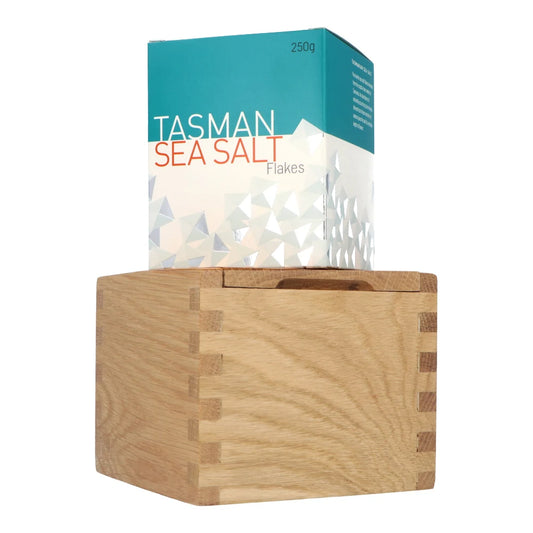 Back soonRated 5.0 out of 5 stars63Regular price $70.76Regular priceUnit price per
$78.64Sale price $70.76Back soon -
Rated 5.0 out of 5 stars6Regular price $174.34Regular priceUnit price per
$193.71Sale price $174.348 optionsSale -
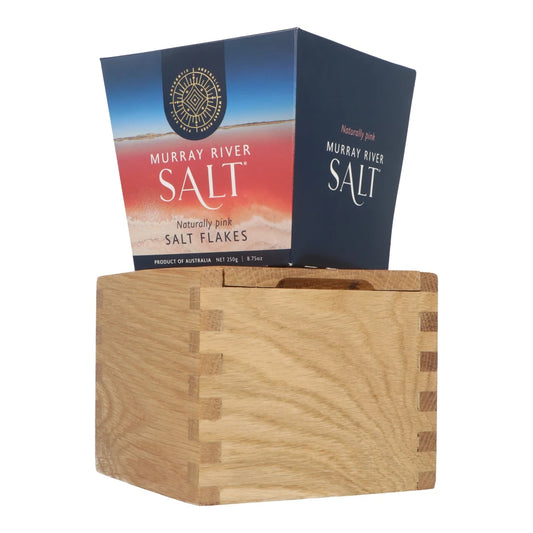 Back soonRated 5.0 out of 5 stars63Regular price $70.76Regular priceUnit price per
$78.64Sale price $70.76Back soon -
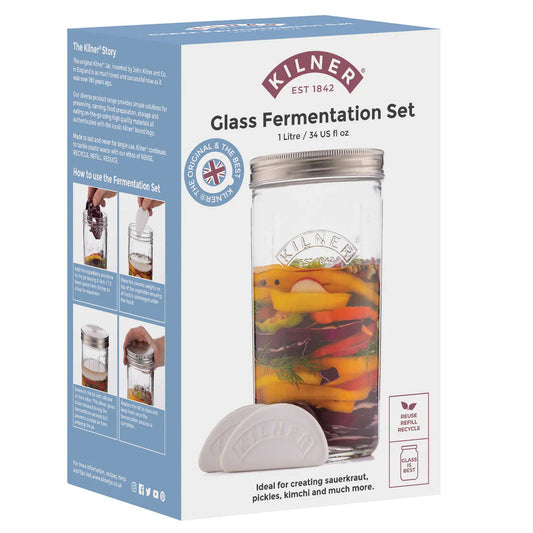
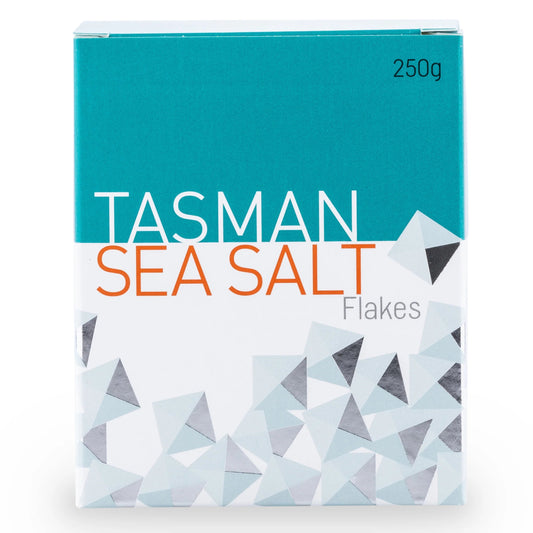
Vendor:Tasman Sea SaltFermentation Starter Bundle - All You Need to Make Your Own Ferments (just add veggies)Rated 4.9 out of 5 stars14Regular price $70.76Regular priceUnit price per
$78.64Sale price $70.76Sale

At Biome, we understand that shopping for natural and sustainable products should be a hassle-free experience. That's why we offer a range of flexible payment options to suit your needs. Whether you prefer to pay upfront or spread the cost over time, we've got you covered.
We've partnered with leading buy now, pay later providers to give you more flexibility in managing your budget. With Afterpay you can shop now and pay for your purchases in convenient installments.
Easy and Secure Transactions
Rest assured that all our payment options are secure and designed to protect your personal information. We prioritize your privacy and work with trusted payment providers to ensure a safe shopping experience.
Whether you're shopping for our iconic Banksia Aroma Pods or any other natural and sustainable products, our flexible payment options make it easier than ever to bring eco-friendly solutions into your life.
If you have any questions or need assistance with your payment options, our friendly customer service team is here to help. Contact us via email at shop@biome.com.au or call us on 07 2140 6660.
Shop with confidence and enjoy the convenience of flexible payments at Biome. Your sustainable lifestyle is just a few clicks away!
45 day returns: If you are not satisfied with a product that you ordered online (*exceptions below), you are welcome to return it to us within 45 days, unused, unworn, and in a pristine saleable condition with the original labels attached, packaging and we will refund your cost of goods. Items marked 'Final Sale' can not be returned unless faulty. *except skin and body care, makeup, food, underwear, earrings, and custom order items, which can not be returned for change of mind.
See our full returns policy here.
Standard: Once the order has shipped, it will arrive in 2 to 7 days depending on your destination.
Express: only for orders up to 4kg and excludes bulky/heavy items.
Heavy/Overwight Orders: Order overs 5kg in weight will attract a $5 extra weight surcharge.
Click & Collect: choose your local store at checkout and your order to be there within 2 to 4 working days (1 working day for Milton warehouse). Please wait until you receive an email or text to advise that your goods are ready to be collect.
International: Flat rate shipping for orders up to 2kg. International orders are not subject to sales tax, so most prices are less 10% when purchased from overseas.
Reviews!
-
Rated 5.0 out of 5 stars35Regular price $19.93Regular priceUnit price per
-
Rated 5.0 out of 5 stars2Regular price $72.65Regular priceUnit price per
-
Rated 5.0 out of 5 stars6Regular price $9.70Regular priceUnit price per
-
Rated 4.9 out of 5 stars244Regular price $24.18Regular priceUnit price per
-
Rated 4.8 out of 5 stars5Regular price $55.68Regular priceUnit price per
-
Rated 5.0 out of 5 stars24Regular price $26.60Regular priceUnit price per
-
Rated 4.8 out of 5 stars45Regular price $35.08Regular priceUnit price per
-
Rated 4.5 out of 5 stars14Regular price $47.21Regular priceUnit price per
-
Rated 5.0 out of 5 stars1Regular price $56.90Regular priceUnit price per
-
Rated 4.8 out of 5 stars17Regular price $30.24Regular priceUnit price per








Please be mindful that the quantity may not always be accurate. If you're making a special trip, we recommend calling to put the item aside. Click each store for contact details.